October 27, 2026 1:06 pm
What research tells us about effective mathematics instruction.
For years, debates about mathematics instruction have been framed as a choice: should teachers explicitly demonstrate procedures, or should students reason through problems and construct mathematical understanding? It is a compelling question, but it may be the wrong one.
Research on mathematics learning doesn’t require educators to choose between explicit instruction and student sense-making. Effective instruction draws intentionally from both. It helps students develop procedural fluency and conceptual understanding, then use what they know to reason, solve problems, and apply mathematical ideas in new contexts.
The strongest arguments for explicit instruction deserve serious attention. Students benefit when teachers model thinking, break complex skills into manageable steps, provide guided practice, offer timely corrective feedback, and gradually remove supports. Worked examples and purposeful practice can be especially helpful when learners are encountering unfamiliar content or building fluency.
But explicit explanation is not the whole of mathematics learning. Students also need opportunities to make sense of ideas, connect representations, explain their reasoning, compare strategies, and apply learning in unfamiliar situations. Carefully designed problems and mathematical discussion can surface prior knowledge, reveal misconceptions, and help students understand not only how a method works, but why.
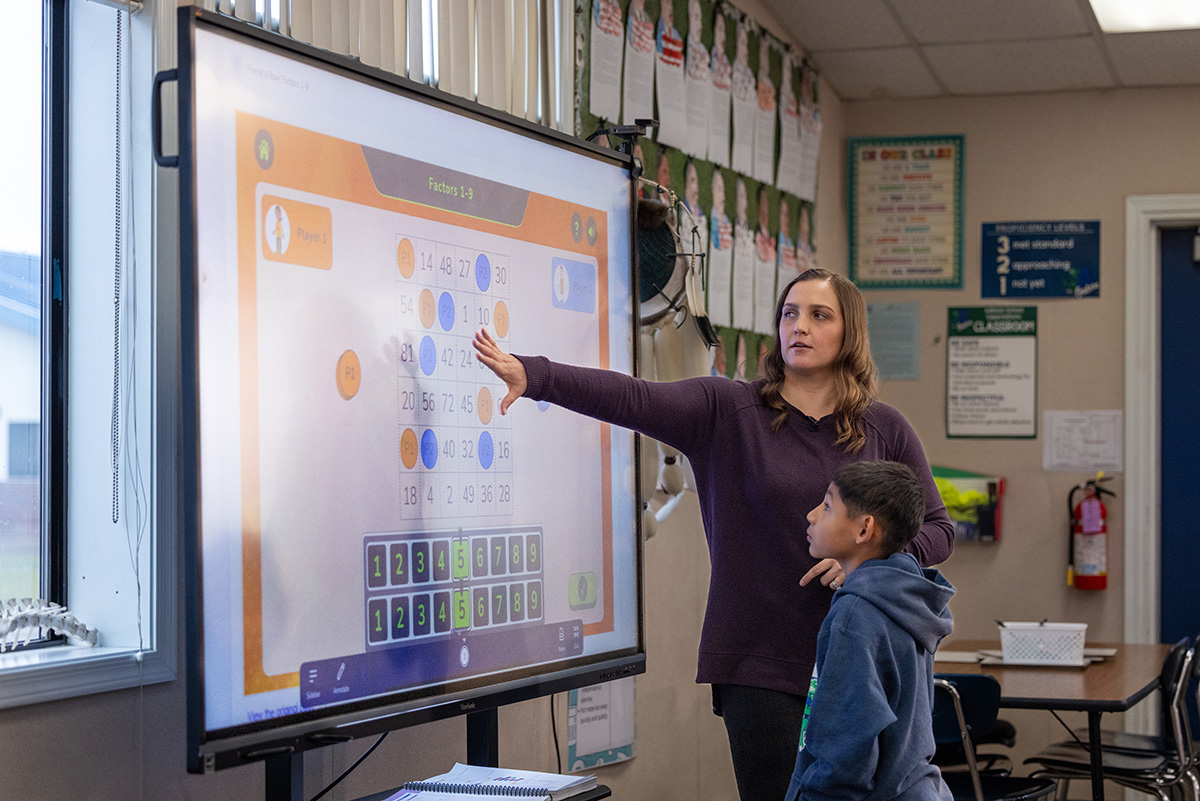
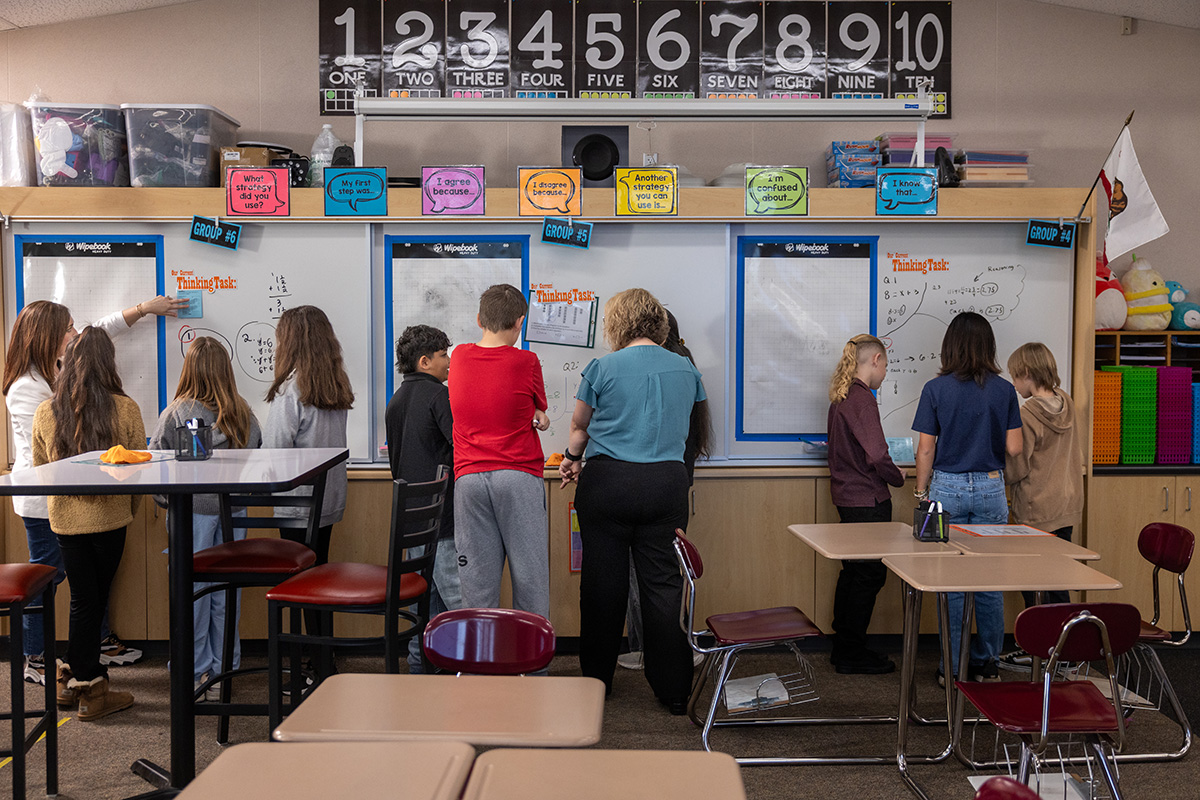
The important distinction is between guided inquiry and minimally guided discovery. In effective problem-based instruction, the teacher is not absent. The teacher selects purposeful tasks, anticipates student approaches, monitors thinking, asks questions, provides scaffolds, and strategically connects student work to the mathematical goals of the lesson.
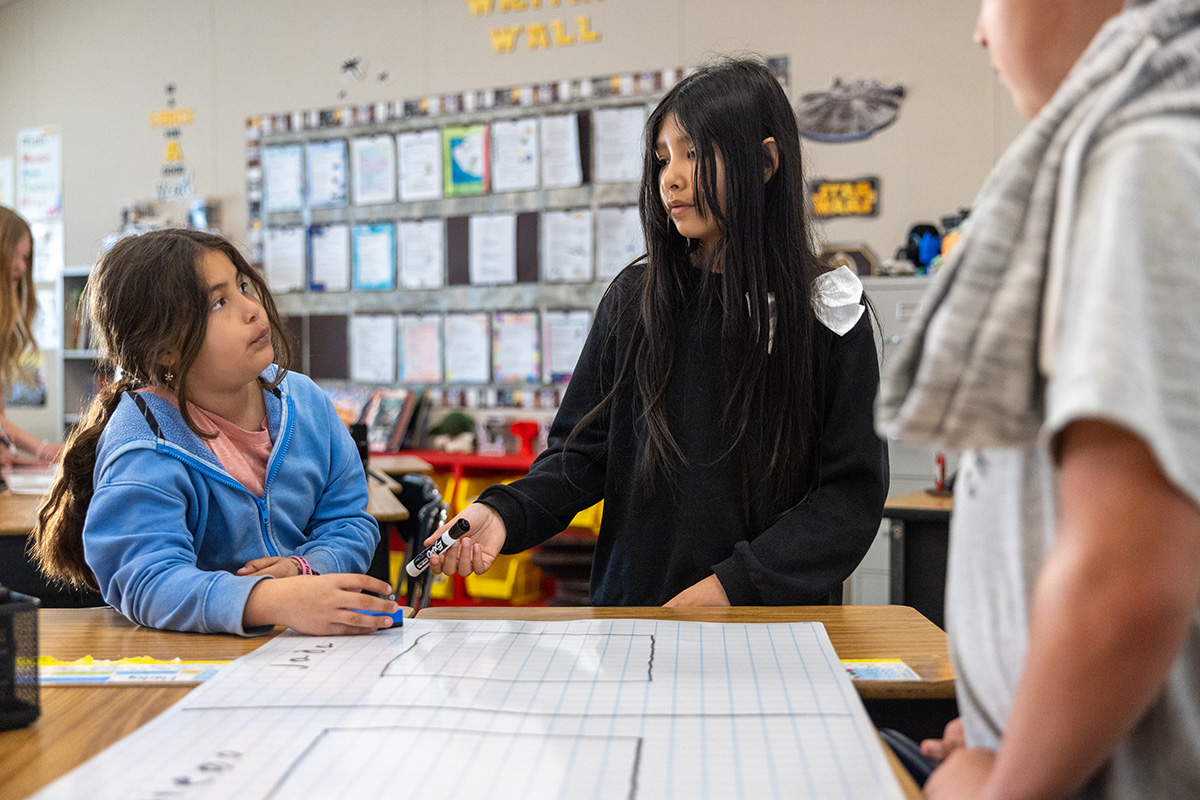
Imagine IM puts this both/and approach into practice through purposeful problem-based learning within a structured instructional model. Students are invited to reason and make connections, while teachers actively guide, clarify, formalize, and consolidate mathematical understanding.
Across an instructional sequence, students encounter meaningful mathematical work; teachers prepare and launch the learning, monitor student approaches, facilitate discussion, connect strategies and representations, make key ideas explicit, and provide opportunities for practice and application. Each move has a purpose. Together, they support conceptual understanding, procedural fluency, and the ability to use mathematics flexibly.


Calls for more explicit instruction often reflect a real concern: teachers should not have to guess what to do next. At the same time, reducing mathematics to a sequence of demonstrated procedures can limit opportunities for students to reason, connect, and transfer their learning.
The answer is not to ask teachers to choose. It is to give them a clear instructional structure and the right supports to know when to let students reason, when to facilitate, when to make the mathematics explicit, and when students need practice or additional scaffolding.
As conversations about the “science of math” evolve, the field has an opportunity to move beyond another either-or debate. The most productive path is not to declare one instructional approach universally right and another universally wrong. It is to ask what students are learning, what they already understand, where they are struggling, and which teacher move will help them take the next step.

Students need opportunities to think—and they need teachers who know when and how to make important mathematics clear. Effective instruction makes room for both.