
Heart Work / Rewriting a Literacy Crisis / How Great Leadership Starts with Great Partnership
Lauren Keeling | 01/29/2026 | 6 minutes
Navigating instructional change isn’t easy. It can be an anxious, messy, and even contentious process. In this blog post, Lauren asks how leadership can strengthen that work by building trust and inviting teachers into the process — and explores how meaningful progress depends on shared ownership rather than top-down direction.
What does it take to be a great leader through change? Sadly, there’s no single answer (wouldn’t it be easier if there were?), but one thing is clear: effective leadership isn’t defined by a job description.
We commonly think of leadership in terms of plans, protocols, and priorities, but sometimes, it’s just asking the right questions at the right time. Other times, it’s knowing when to step back so a teacher can step forward. Often, it’s simply pausing to listen — really listen. Somewhere between the district memo and the classroom door, between the pacing guide and a teacher’s intuition, lives this less-obvious kind of leadership. It’s neither loud nor flashy. It asks, “What do you think?” and waits patiently for an answer.
I’ve spent the last few years studying the more human-centered approach to leadership and the last two decades learning about it from some of the very best in education. As a Curriculum Advisor, I have the privilege of being shoulder-to-shoulder with teachers and leaders from every corner of the country. I strategize with educators who are leading the charge on change and seeking alignment between their instructional practices and what they know is best for students. I hear from administrators leveling the hierarchy when their team meets. They aren’t the boss: they’re stakeholders. And I can tell, almost instantly, when teachers have been at the table from the start. Their posture is different. Their questions are deeper. Their ownership is evident.
During my years as an educator, I’ve been part of many curriculum adoptions and change initiatives — as a teacher, as a principal, and as a partner to schools — and I’ve seen them soar, and I’ve seen them sink. I can only hope that I helped initiatives in my district soar, but I know for a fact I was the reason some sank. And the difference was almost always the same: collaboration. Not the kind that’s written into an email, but the kind that’s built on trust, time, and shared purpose.
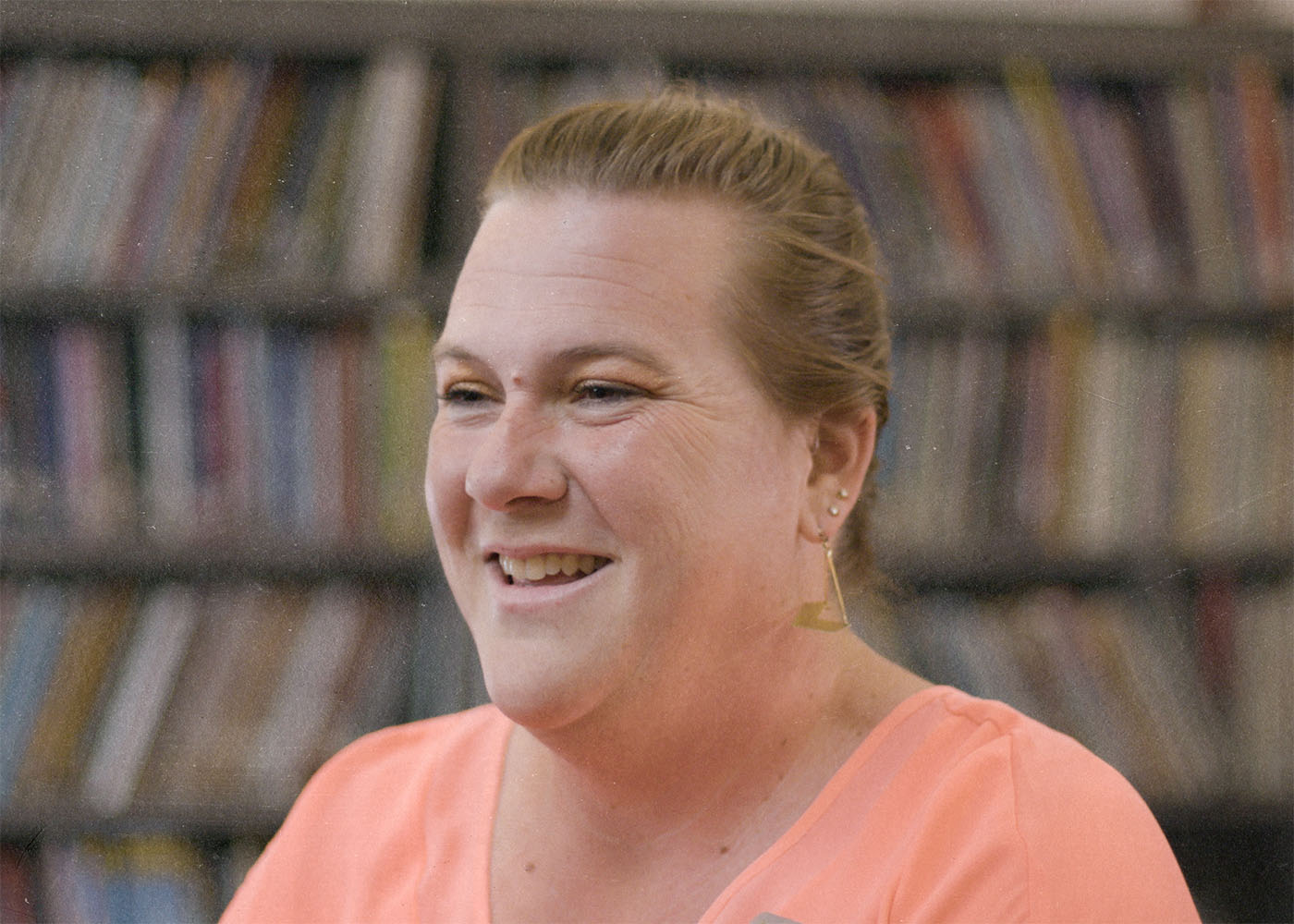
Kelsie Pennington, Assistant Director of Interdisciplinary Literacy in the Pendergast Elementary School District, and Akin Akinniyi, School Counselor at Villa De Paz Elementary School.

We often discuss collaboration in education. It shows up in mission statements, in professional learning communities, in the language of reform. But too often, what we call “collaboration” is just coordination. Or worse, compliance. The decisions have already been made. The meeting is just a formality. And the people most impacted by the change — teachers — are left to implement something they didn’t help shape.
This disconnect is what inspired my dissertation research. I wanted to understand what collaborative leadership really looks like in the day-to-day work of schools, especially during moments of significant instructional change. I am in the thick of interviews and data collection, focused on elementary educators and administrators navigating curriculum reform. But the reality is, I’ve been asking these questions for a long time, not as a researcher, but as a partner in change management. I sit at a lot of tables, from coaching sessions and leadership meetings to curriculum planning days. And in those spaces, I’ve been listening, wondering, and asking questions: What does collaboration feel like? What helps it thrive? What gets in the way?
What I’ve found isn’t surprising but deeply affirming. When collaboration is real, it’s relational. It’s built on trust, not titles. It’s not about everyone agreeing, but it’s about everyone being heard. Teachers described feeling most engaged when their voices were invited early, when their expertise was honored, and when leaders created space for shared decision-making. Administrators described the tension of balancing mandates with meaning, and the intentional work it takes to shift from “managing change” to “leading with.” Teachers described it as “safe.”
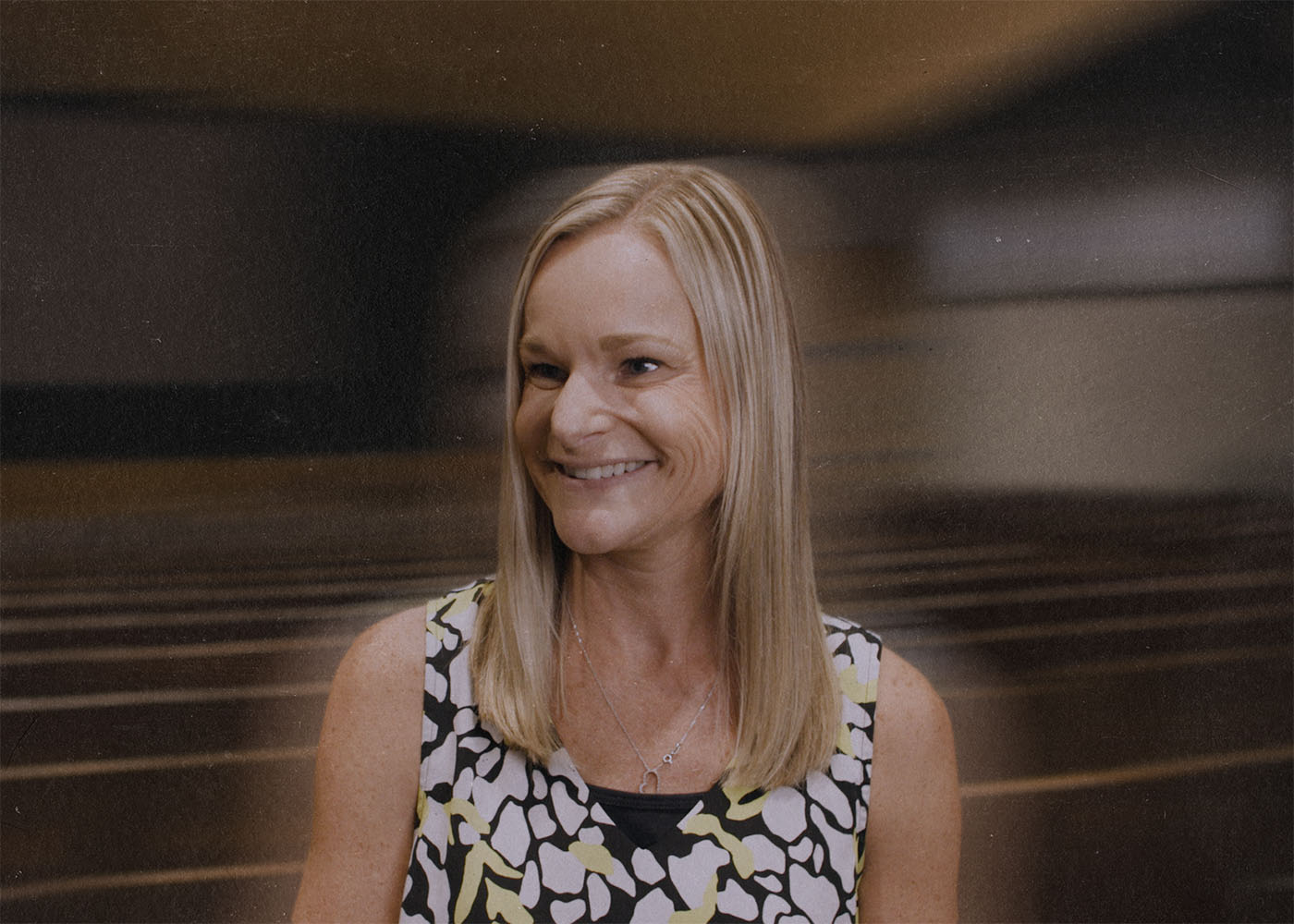
Erin Serock, a school-based teacher leader in the School District of Philadelphia, and Abraham Gonzalez, school principal at Villa De Paz Elementary School.
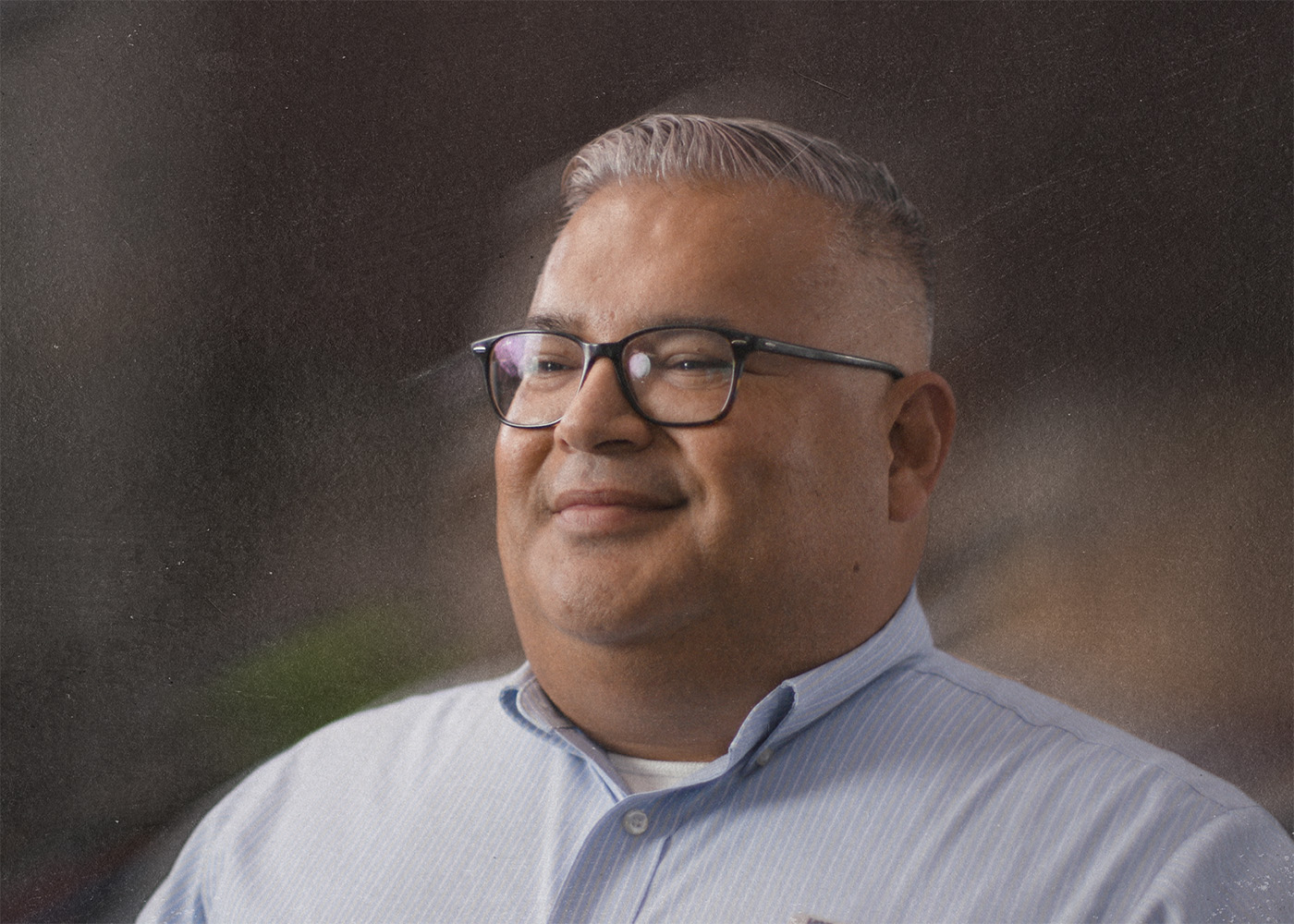
Here’s the simple truth: collaboration isn’t always efficient or neat, but it is necessary. And when teachers are part of that process, they become co-authors in the work. Recently, I spoke with Jana Murphy and Nicole Silva, two instructional coaches who led a major instructional shift in Marshfield Public Schools. They spoke to this directly. As they put it, the work “was bumpy… it’s always going to be bumpy,” but they emphasized how valuable their collaboration meetings were, giving them space to “hear [teachers’] thoughts and perspectives and worries and concerns.” That ongoing relationship building, they said, “has been what’s sustained us” through the process. What I found especially powerful about their approach was how they didn’t shy away from vulnerability themselves, reminding their teams, “This is uncomfortable for us too. We have not taught this way either.”
“The professional learning was what grounded us, and the relationship building was what sustained us.”
As schools continue to navigate change — new standards, new materials, new expectations — we have a choice. If we want sustainable change, we need to stop treating collaboration like a checkbox. We have to build structures that invite the teacher’s voice early, before the decision is made. We also have to redefine leadership as something shared, not something held. And we have to remember that buy-in isn’t something you get, it’s something you build. So the next time we gather around the table, whether it’s a PLC, a leadership team, or even after a long day together with our team, may we remember that collaboration extends beyond a strategy. It’s a stance, a commitment, a way of being together that says: you matter here.
Lauren Keeling is a seasoned education professional with a unique blend of experiences. A former broadcast journalist, elementary teacher, and principal, she now combines her passion for education with her love of storytelling at Imagine Learning. Above all, Lauren is a dedicated literacy advocate pursuing a doctorate in Leadership with a focus on Public and Non-Profit Organizations to further her impact on education nationwide.
Heart Work is our platform for telling educators’ stories. Sign up for the Heart Work Club to be among the first to share yours. You’ll also get the latest podcast episodes, articles, and exclusive content delivered straight to your inbox.