Traverse Explorer

Celebrating Black History Innovators 

Engage

Learn how Madam C. J. Walker built her company and created economic and philanthropic opportunities. 

Analyze

Tuskegee Institute 

Genre: Photograph | Creator: Frances Benjamin Johnston | Date: 1902 

Background 

In 1902, Frances Benjamin Johnston took this photograph of the chemistry lab at the Tuskegee Institute, a school of higher education for Black Americans. Booker T. Washington was the Alabama school’s first principal. He raised funds, built and expanded the school, and recruited influential teachers, including scientist and inventor George Washington Carver, who is pictured second from the right and is framed by the doorway. 
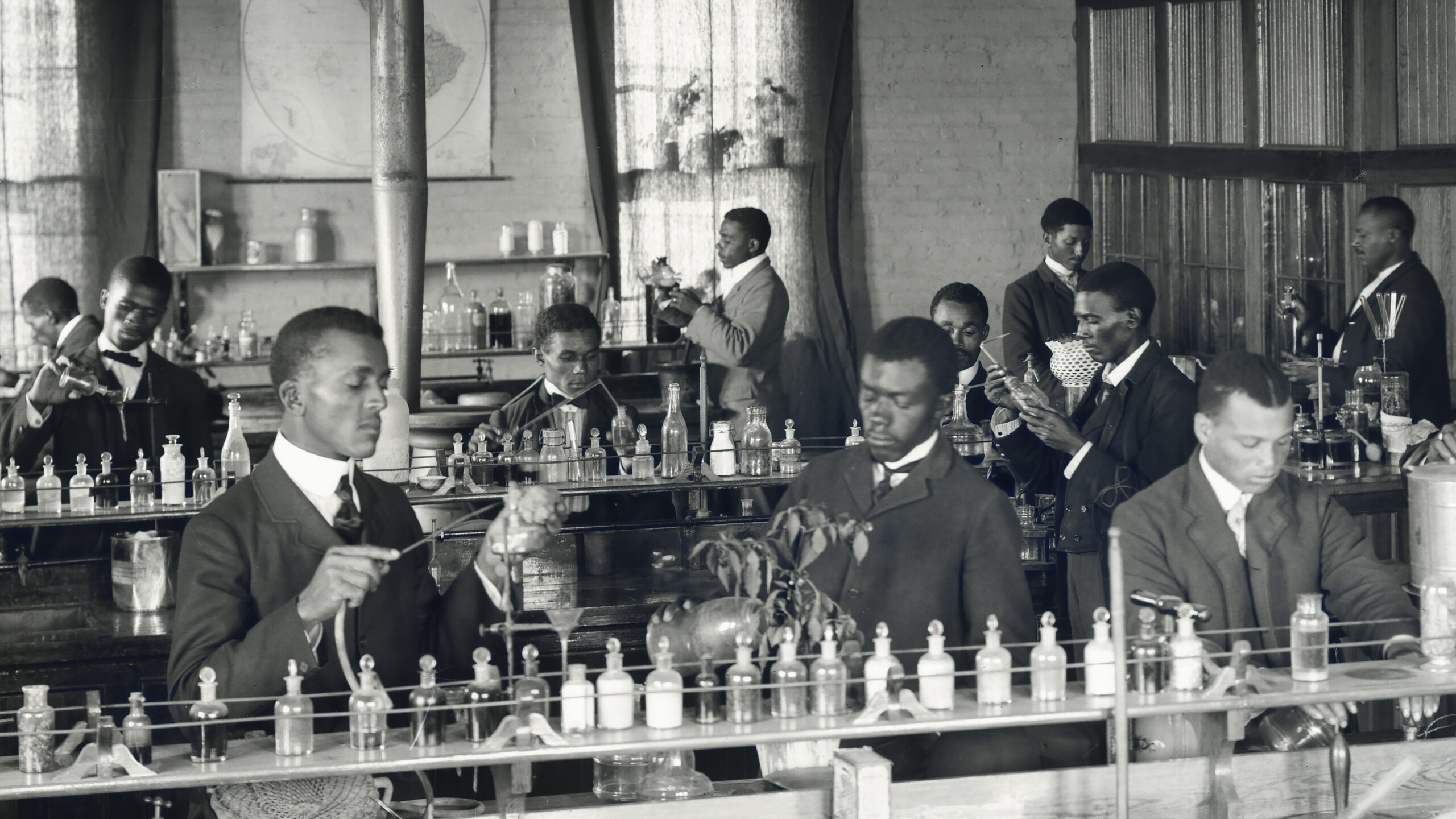
Examine the photograph of the chemistry lab at the Tuskegee Institute.

Black chemists in a lab, performing experiments.
  • Identify details that reveal what the photographer was most likely trying to convey. 
  • Explain the similarities and differences to today’s classrooms. 

Collaborate

Give One, Get One 

Use the following question to lead a discussion: 

How might Booker T. Washington have reached out to Black Americans to attend the Tuskegee Institute? 

  • Have students write several answers to the question. 
  • Have students move around the room and talk with other students to give and get ideas in response to the question. Students should try to get at least one new idea from each peer conversation. 
  • Call on several students to share an idea they got that shaped their thinking. 

Teacher Resources

Think Like a Historian: Sourcing Information

Use this additional sourcing information to further contextualize the source in order to deepen students’ analysis and evaluation. 

Summary

The photograph shows a well-appointed chemistry lab at the Tuskegee Institute. The students are all Black men wearing suits and ties. 

Purpose

Johnston was a photojournalist who was interested in education and documented several educational institutions, including the Tuskegee Institute. 

Intended Audience

Johnston, who was commissioned by Booker T. Washington to take photographs at the Tuskegee Institute, intended for these photographs to reach a wide audience. It was likely meant to publicize the work being done at the Tuskegee Institute. 

Source Considerations

This source shows a classroom in the Tuskegee Institute at the beginning of the 20th century, but it does not provide information about the school or its significance. 

Scaffolding and Differentiation: Source Analysis Support

Genre    

In a photograph, like in other forms of visual media, the artist chooses what to include in the frame. Have students reflect on the details included in this photograph to help them infer the photographer’s purpose. 

Style   

A photograph reflects a specific moment in time. Have students think about how classrooms today are similar to and different from the one shown in the photograph.  

Analyze and Discuss

To extend discussions, consider asking the following questions.

  • When did Johnston take this photograph?
    • 1902
  • How does the date of creation impact the content of the source?
    • The fact that Johnston took the photograph in 1902, approximately 20 years after Tuskegee was founded, suggests that the school developed and expanded its offerings over time.


February 6, 2025 7:39 am

What Makes HQIM Effective

From their standards alignment to their data-driven design, equitability, and teacher supports, we’re exploring how HQIM prove their effectiveness and earn that famous “HQ”.

Keeping up with the latest buzzy “It” thing in education can feel like a game of whack-a-mole for enthusiastic but time-strapped teachers and district leaders. Even if you’re familiar with what each new theory, technique, or product is, there’s still an analysis process of, “It sounds exciting… but is it affordable? Sustainable? Equitable?” You also need to determine if your school or district has the capacity (and the willingness…(best of luck there)) to pivot away from whatever “It” is replacing.  

For all that effort, this latest shiny thing sure as heck better be effective, right? 

That’s an easy one to answer when what you’re considering are High-Quality Instructional Materials, or HQIM

As you’re no doubt aware, HQIM are research-based resources and curricula that are designed to meet specific educational standards and improve learning outcomes across subjects, and they’re the topic of conversation in teachers’ lounges and district meetings around the country.  

While having “high quality” in the name suggests efficacy is inherent, it’s important to understand what exactly makes HQIM so powerful in the classroom

Built to meet high standards 

HQIM are effective in part because their standards alignment isn’t just a hit-or-miss bonus feature of an otherwise one-size-fits-all product. HQIM are specifically designed to align with national academic standards and your state’s own standards, ensuring students can access the content and skills outlined in those standards… and, importantly, making it easier for districts to access funds for the materials. (Now we’ve got your attention!) 

Another way HQIM check off the “efficacy” box is by providing rigorous content appropriate for the grade level. All students should be getting comprehensive work with grade-level problems through practice, collaboration, and both summative and formative assessments, and HQIM applies extensive research to help ensure students can do so and confidently progress at the end of each academic year.  

But wait there’s more

HQIM go well beyond checking off the standard to-dos to provide educators and students with what they need for effective, empowered learning.  

teacher reviewing instructional materials with students on a tablet

Teacher support 

Do your current materials include clear lesson plans, differentiated activities, and embedded formative assessments to guide you as you deliver effective instruction? If not, consider exploring HQIM options, which prioritize these types of educator supports. HQIM platforms also typically allow teachers to adjust pacing, modify lessons, or incorporate supplemental materials that are more relevant to their classrooms, creating a customized instructional approach. 

Student engagement 

HQIM are loaded with engaging activities, relevant real-world examples, and varied instructional strategies to keep students actively involved in the learning process. They can also include adaptive learning pathways and incorporate technology to support personalized learning. 

Accessibility for diverse learners 

If it wouldn’t work for every student, it couldn’t call itself “high quality”, right? With HQIM, different learning styles and abilities, including those of English language learners, are all accounted for and accommodated. Plus, the content reflects diversity and promotes equity, ensuring every student has access to an engaging, respectful, high-quality education. 

Data-driven design 

At a foundational level, HQIM are based on research and evidence of effectiveness to ensure materials are optimized for student learning. Their data-driven insights and AI integration support proven instructional strategies, often including formative assessments to track progress and adapt learning paths, equipping you for effective teaching. 

So, what’ll it be?

With everything HQIM offer today’s educators, the question changes from “Is it effective?” to “Can you be as effective without it?” Research shows a direct correlation between using high-quality materials and increased student learning outcomes, and it reduces teacher workload at this critical, often-understaffed time. With HQIM, teachers can spend less time searching for materials and more time focusing on student interaction and differentiation.  

Set down the whack-a-mole mallet for a bit. Direct the time and energy you’d normally spend trying to cobble diverse materials together for a coherent curriculum into understanding what HQIM can do for your school or district. Give yourself the chance to provide all students with rigorous and relevant content, narrow achievement gaps, and ignite learning breakthroughs. 

Read more
Read more
Read more
Read more

February 5, 2025 9:00 am

Philly student performance improved in 2024, but still lags other big-city school systems, national test results show

Published by: The Philadelphia Inquirer

The Philadelphia fourth and eighth graders who took part in the Trial Urban District Assessment (TUDA), a special exam of the biennial National Assessment of Educational Progress report (NAEP), performed better in 2024 in both reading and math.

Read Full Article

May include subscriber-only content

January 29, 2025 8:00 am

Pittsburgh Public sees continued improvement in overall 3rd grade math scores

Published by: Pittsburgh Post-Gazette

Math proficiency rates have improved in recent years among Pittsburgh Public third graders, but more work needs to be done to close gaps seen in different student subgroups.

Read Full Article

May include subscriber-only content

Printable Phenomena Tracker Teacher Instructions for Twig Science Middle School 

Imagine EdgeEX

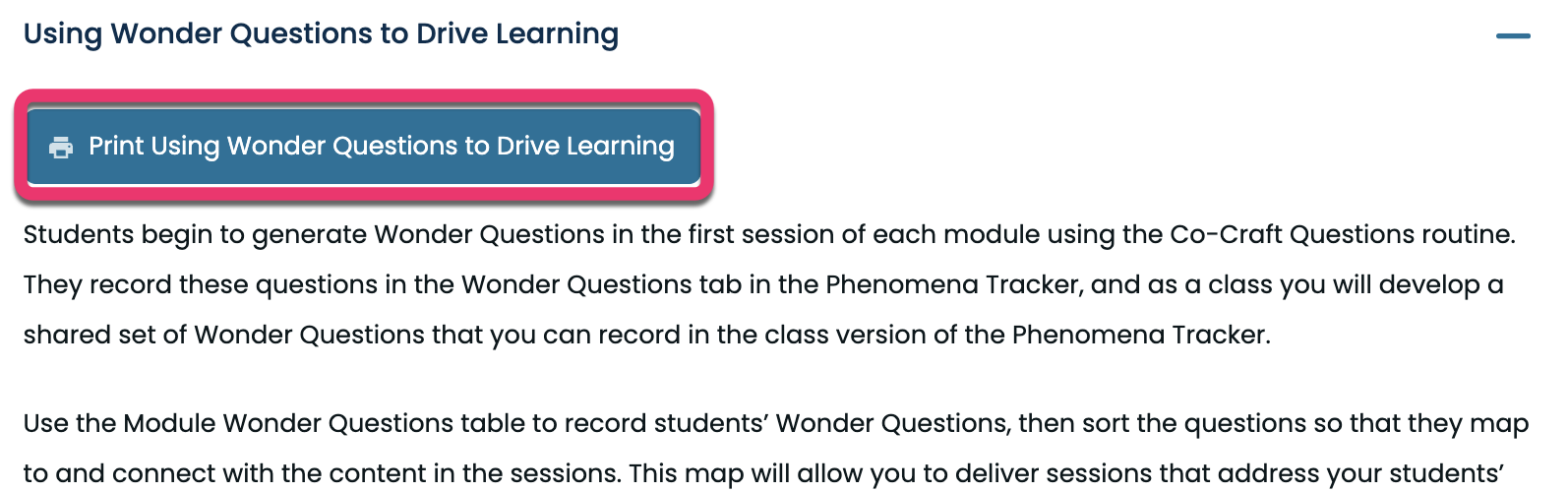
Support and guide students’ Phenomena Tracker usage 

Making sense of phenomena is an integral part of the Twig Science Middle School curriculum. Students use a Phenomena Tracker to record and respond to Wonder Questions, develop explanations of the Anchor Phenomenon, or propose solutions to the Engineering Design Challenge. Educators can now print the teacher instructions from the session to support and guide their students’ use of the tracker. Learn more.  

Twig Science Phenomena tracker

New Lab Kit Materials Lists and Introduction Videos in Twig Science Elementary

Imagine EdgeEX

Materials lists now printable 

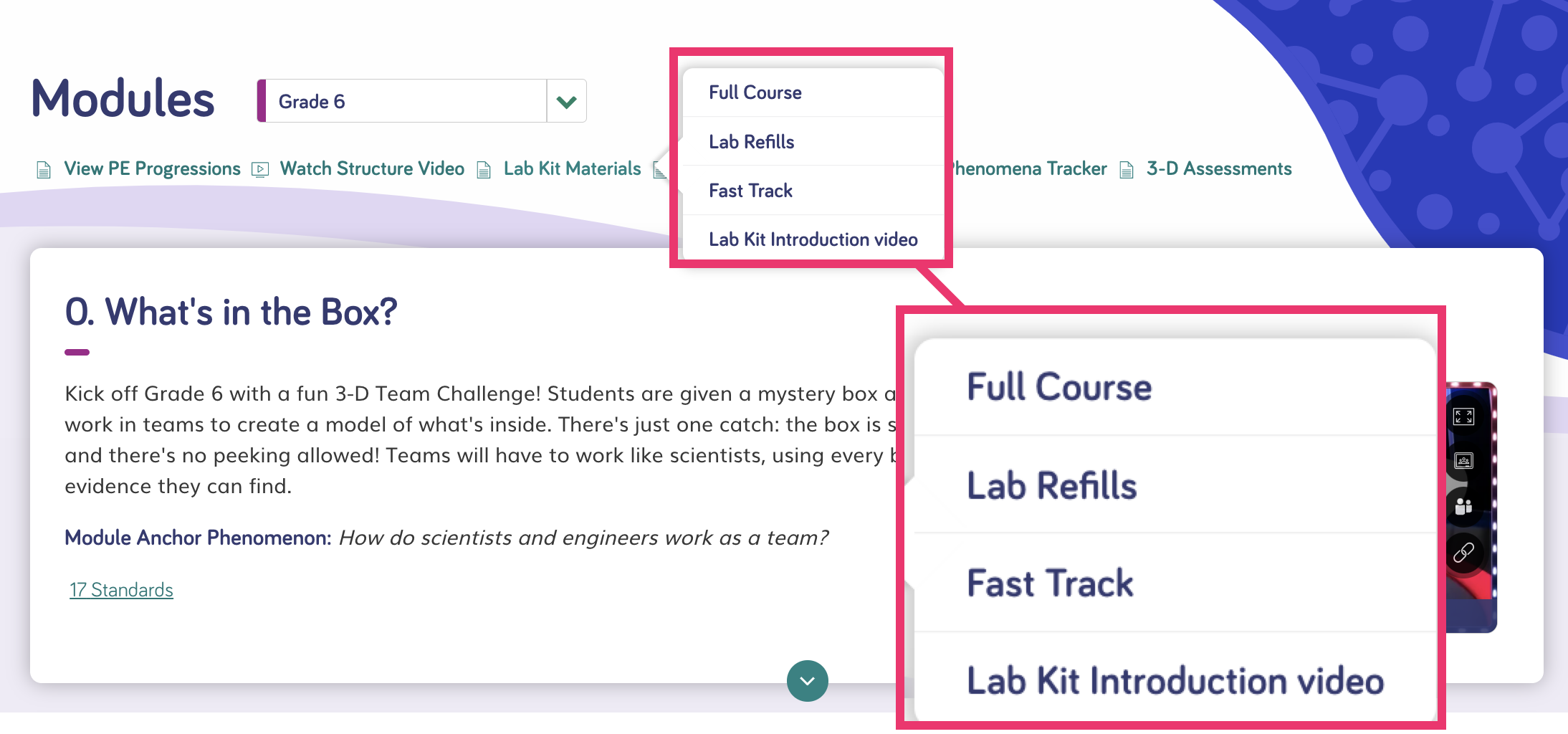
Prepping for Twig Science has become more efficient with new, printable lab kit lists, as well as a 5-minute video that shows educators what to expect in their lab kits. Learn more. 

Twig Science materials list module

Professional Learning Guides in Twig Science Elementary

Imagine EdgeEX

More support for your implementation

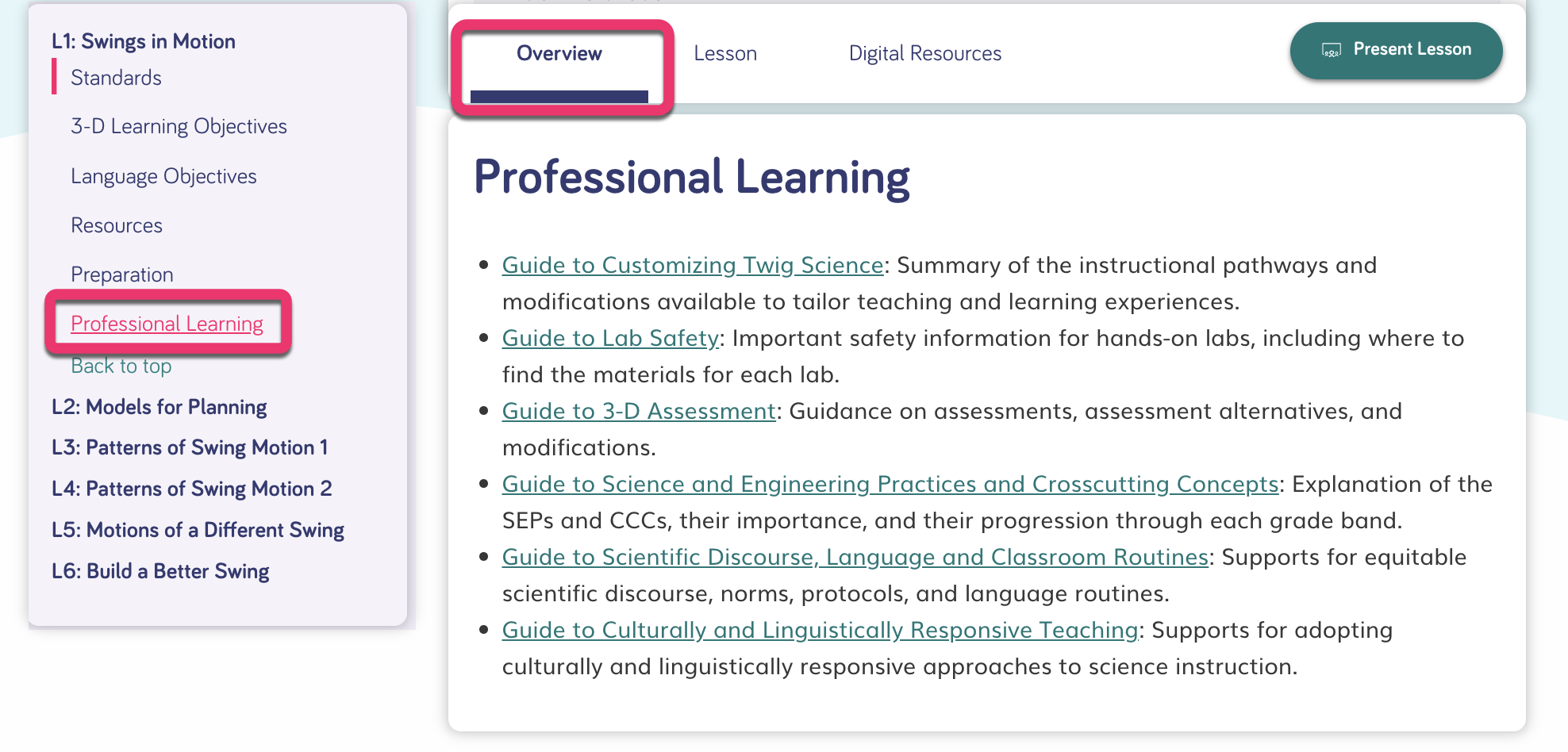
New professional learning guides have been added to the Overview section of each Driving Question in Lesson 1 of each module to provide more support for educators. These range from guides on how to customize Twig Science via the instructional pathways to 3-D Assessment. Learn more.  

Twig Science Professional Learning overview

Twig Science Report Back in February 

Imagine EdgeEX

New science stories coming soon! 

Twig Science Reporter will be back in action the first week of February after a winter’s rest. Stay tuned and check out the top science stories from 2024 at twigsciencereporter.com

Report an Issue in Imagine EdgeEX 

Imagine EdgeEX

Streamlining the support process

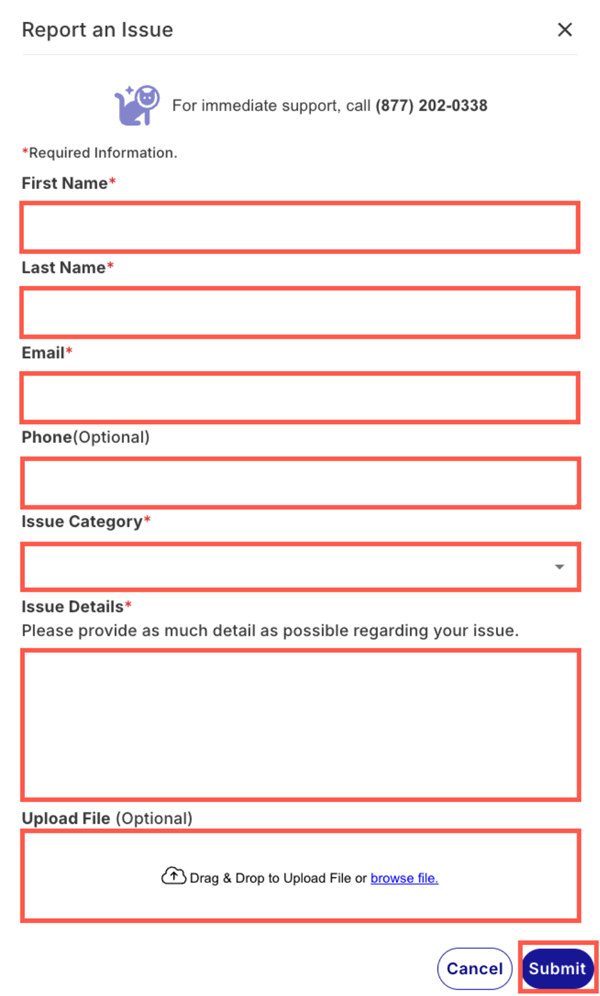
We’ve made it simpler than ever for educators to report issues while previewing content in Imagine EdgeEX. This update enhances our commitment to providing exceptional service by streamlining the support process. 

Report an issue in Imagine EdgeEX

Drafts Now Auto-Save During Customization in Imagine EdgeEX

Imagine EdgeEX

Resume customizations at any time without losing progress 

When customizing a course, section, or enrollment, educators will now see that their actions automatically save and they can resume their customizations at a later time. 

space cat