June 21, 2022 8:00 am

New Studies Reveal Significant Increases in Student Performance with Imagine Español

PreK-2 Students Using Imagine Español Show Higher Scores and Growth According to Two New Studies

Scottsdale, Ariz., JUNE 21, 2022 – Imagine Learning, the largest provider of digital curriculum solutions in the U.S., serving 15 million students in more than half the school districts nationwide, today announced the results of two new studies revealing that students who used Imagine Español demonstrated significant academic gains on standardized assessments. The studies took place in two separate public school districts in Texas during the 2020-2021 school year.

“Students are thriving through the use of adaptive, personalized learning solutions and we’re delighted to see Imagine Español helping to accelerate learning while developing the foundational skills essential to bilingualism, biliteracy, and cultural competency,” said Jeff Pendleton, SVP and General Manager of Supplemental and Intervention for Imagine Learning. “As we continue to collaborate with districts, the results of these studies show what the future of learning can look like when the power of technology is harnessed to support educators.”

HIGHLIGHTS FROM THE STUDIES

  • Imagine Español was implemented with Prekindergarten students in a public school district in Texas. To measure changes in Spanish literacy skills, Imagine Learning obtained and analyzed Spanish CIRCLE Progress Monitoring System (CIRCLE) scores of 1,495 Imagine Español students and a comparison group of 1,495 students. Findings from the study show that after one year of using Imagine Español, students’ performance on the Spanish CIRCLE assessment grew 12 percent more than students who did not use the program. Imagine Español students demonstrated greater growth on CIRCLE in Spanish Overall, Rapid Letter Naming, Rapid Vocabulary, and Letter-Sound Correspondence scores.
  • Imagine Español was implemented with students in Grades K-2 in YES Prep Public Schools in Texas. To measure the impact of Imagine Español on Spanish reading skills, Imagine Learning analyzed Spanish NWEA MAP Growth Reading data from 44 Imagine Español students and 44 nonparticipating peers. From Winter 2020 to Spring 2021, findings from the study show that Imagine Español students demonstrated significantly greater gains on the Spanish MAP Growth Reading test than their nonparticipating peers. Second-grade students who used Imagine Español significantly outperformed their nonparticipating peers, improving by six Rasch Unit (RIT) score points while their peers showed no growth.

Imagine Español is a personalized learning solution that maximizes Spanish language and literacy development for emerging bilingual learners in Grades K-5 (3-5 coming in 2023). Whether used as a dual-language, transitional bilingual, or world languages program, Imagine Español inspires breakthroughs for early readers and language learners while delivering the Spanish language and literacy foundation they need to succeed in school and beyond. Backed by decades of research on the best pedagogical practices for developing Spanish language and literacy, Imagine Español features highly engaging developmentally appropriate game-like activities while providing the foundations for biliteracy through rigorous, standards-aligned activities that promote academic achievement and cultural awareness. More information is available at  imaginelearning.com/espanol.

About Imagine Learning

Imagine Learning is a PreK–12 digital learning solutions company that ignites learning breakthroughs by designing forward-thinking solutions at the intersection of people, curricula, and technology to drive student growth. Imagine Learning serves more than 15 million students and partners with more than half the school districts nationwide. Imagine Learning’s flagship products include Imagine Edgenuity®, online courseware and virtual school services solutions; supplemental and intervention solutions for literacy, language, mathematics, robotics, and coding; and high-quality, digital-first core curriculum, including Illustrative Mathematics®, EL Education®, and Odell Education®—all on the Imagine Learning Classroom—and Twig Science®. Read more about Imagine Learning’s digital solutions at imaginelearning.com.

June 17, 2022 12:00 am

Find Your Summer Happy

Feeling “the blahs” after a long, exhausting school year? Chase them away with 21 simple ways to feel happier this summer.

How often have you seen something posted on social media that just hit your funny bone and turned your spirits upside down? Laughter, smiles, watching or participating in happy moments have the capability to lift your spirits and “chase the blues away.” For me, I can crank up my old high school or college tunes, start dancing, and the bubble of “the blahs” pops. 


“The blahs” may not be a technical term, but it certainly is a reality — especially after a long, trying school year. It can affect your work and your ability to feel joy. It can cause: 

  • Disconnect with your coworkers
  • Irritability, confusion, or sadness
  • Inability to get excited about upcoming projects
  • Difficulty focusing or remembering
  • Procrastination or lack of motivation
  • Related feelings in your personal life 


You may have heard of the term languishing. It fits right into what we are talking about. The American Psychological Association describes languishing as the condition of absence of mental health, characterized by apathy, listlessness, and loss of interest in life. Languishing is not to be confused with depression and burnout. They differ in cause and severity. On the other end of the spectrum is flourishing and experiencing engagement and joy in your life. Dr. Lynn Soots, a psychologist whose research focuses on a positive learning environment, emphasizes that flourishing isn’t a static trait or something that “you either have or you don’t.” It can be learned — or even better, practiced. The more effort you put into it, the more you’ll flourish. (Are you languishing? Here’s how to regain your sense of purpose.


If you are experiencing “the blahs” or feeling drained at this moment, you may feel like this is an unbeatable wellbeing challenge but read on. I have done some research, and will highlight ideas and studies that I hope can make today what it can be. 

Woman in workout clothes during her workout

Insert happy: increase your positive emotions. 

  • Be around someone with a quick mind and great humor. There are a few people at work that, if I engage with them long enough, I will be enjoying a big belly laugh. I can even cackle on occasion.
  • Sing a song. Music therapists report that singing boosts your mood, and studies have shown singing also enhances immunity by increasing antibodies that fight sickness. For those of us that are vocally challenged, shut the door, play your favorite happy song, and sing along. Remember there is always singing in the shower to start your day. 
  • Watch a funny video on YouTube, comedy movies, or take a short browse through a hilarious website. Smile, even if it is just to yourself.
  • Hugs are known to release endorphins, a chemical that helps you feel excitement or satisfaction. A big warm hug from a friend, loved one, or even your pet is one of the best ways to lift your mood.
  • Change your background on your monitor. So many choices! 
  • Take a break and play with your dog or cat. Or look at pictures or videos of baby animals. If you are an animal lover, it will work for you. 
  • Color around you can make a difference. Go to your closet and find something that says happy to you and put it on.
  • Follow David Allen’s Two-Minute Rule. Check your to-do list and find something that you can complete in around 2 minutes. Once done, your sense of accomplishment will help dissolve that mind roadblock and get you going.
  • Get up and move. Here is where I will give a plug for dancing to music that makes you happy. I hope you are not still sitting while you watch this video!
  • Take a walk outside. Get some natural vitamin D.
  • Find a swing and get some lift! I am a great proponent of this one. I also love take-off on jets and roller coaster rides, but this one is more accessible. This childhood fun is not only exhilarating, but it can also boost your mood as you enjoy the outdoors. 

You are of value. 

  • Practice self-compassion or self-affirmation. Positive statements about yourself can encourage your brain to believe you are or can do something. Your actions often follow. There is magic when we can recognize the individual value we have. Remember, you are great! Take a moment now and tell yourself.
  • Connect with someone who thinks highly of you. Just talking with someone positive absolutely helps. I have a practice of keeping emails in an Outlook file, where employees expressed their thanks. Rereading my old emails is another blahs popper. Try it!

Notice the good in life.

  • Find a photo album or pick up your phone and scroll through your pictures/albums. Take a walk down memory lane and see what fun you have had. Focus on the people in the pictures and what they mean to you.
  • Gratitude goes a long way. One study showed that participants who wrote gratitude letters regularly displayed significantly better mental health than those who didn’t. In fact, brain scans suggested that expressing gratitude might even have the power to rewire our brains for the better. 

Pick the right snack. 

  • Grab a handful of nuts. Stash walnuts, almonds, and pistachios in a convenient place for a mood-lifting snack. They’re packed with omega-3 fats that help make people less prone to depression. Plus, studies show that the act of repetitive chewing enhances serotonin production which can improve your mood and help you reduce stress.
  • Love chocolate? Go for dark chocolate. Because milk chocolate contains added ingredients like sugar and fat, it’s best to opt for dark chocolate — which is higher in flavonoids and lower in added sugar. You should still stick to 1–2 small squares (of 70% or more cocoa solids) at a time since it’s a high calorie food.
  • Go bananas! Who would have thought bananas! They’re high in vitamin B6, which helps synthesize feel-good neurotransmitters like dopamine and serotonin. When paired with fiber, sugar is released slowly into your bloodstream, allowing for stable blood sugar levels and better mood control. Blood sugar levels that are too low may lead to irritability and mood swings. As a side note, when a banana is still showing green on the peel, it is an excellent source of prebiotics, a type of fiber that helps feed healthy bacteria in your gut. A robust gut microbiome is associated with lower rates of mood disorders. 

Having trouble getting out of bed? Try these when you wake up. 

  • Breakfast. Think about something delicious and out of the norm for breakfast. Take the extra time to make an omelet filled with good vegetables or add fresh berries to your cereal. Make a healthy smoothie or your favorite morning drink.
  • Gratitude. Think of something you are grateful for when you wake up each day. You’re priming your brain with positive information at the very start of your day and placing your attention on the good in your life.
  • Make your bed. It is a simple action that you can check off in the morning that makes you start your day feeling accomplished. Studies show that this is a common practice with successful people. (And it keeps you from crawling back into bed.) 
  • Something good. Think of something that you are looking forward to. It could be something that will happen today or in the future. It is getting closer every moment. Feel excited! 

I hope just reading this article has lifted your mood and/or brought you a laugh. I know researching happiness and positivity certainly helped my day flourish. Have a happy and healthy summer, teachers. You deserve it.

About the Author — Helen Cox

Helen Cox lives at the foothills of the Wasatch Mountains and has enjoyed 10 years with Imagine Learning. As a Wellbeing Specialist she promotes financial, mental/emotional, physical and social wellbeing among her fellow employees. Away from work she enjoys all things outside: hiking, gardening, camping, and even just sitting on her swing taking in the views.

June 14, 2022 8:00 am

How to Create Meaningful Professional Development for Adult Learners

Give teachers what they really want: the opportunity to be active participants in their own learning.

It’s Thursday afternoon, and my students are having trouble concentrating. Their excitement for a 3-day weekend is palpable, but I’m… not off the hook just yet. Tomorrow is one of those dotted-line days on the academic calendar — a student-free, professional development Friday. Now, while a day of no classroom management is nice, I can’t quite share in my students’ excitement for a true day off. 

That is because I know what’s coming: a full day of prescribed professional development. I’m already planning the snacks I will eat and the grading I will sneakily get done.

Does this scenario sound familiar?

It isn’t that teachers don’t want professional development, in fact I’d venture to say most educators would describe themselves as lifelong learners. This isn’t what administrators seek out, either, when they carefully plan PD days. Their intentions are good. For any career, continued education should be involved — especially for something as dynamic and important as education.  

So what DOES get teachers excited for professional development? 

In my attempt to answer this question, I had an ah-ha moment. I learned that ped, the root meaning “child,” combined with gogy, the root meaning “to lead” (or teach), is where we get the word pedagogy, or “teaching children.” 

Andra is the root meaning adult, so (I’m sure you’ve arrived here already), andragogy is the concept of teaching adults. So, if administrators are trying to apply good “pedagogy” in professional development, that in itself is the misstep. American educator, Malcolm Knowles, coined the term “andragogy” in 1968. His four principles of adult learning give us some insight into how to tailor professional development to educators. 

a group of educators sitting around a table

1. Adults want to be part of the planning process — and the evaluation.  

Administrators were teachers once (and some still are actively involved in the classroom), so it is likely that they know what professional development would be beneficial to their teachers — especially because they have a bigger picture of their entire faculty. However, giving them exactly what they need does not always result in teacher buy-in. This is because, as adults, we value and expect independence. Telling an adult what they need to learn is a surefire way to close them off to any new information. 

Pre-training surveys are one way to solicit teacher input, but depending on school size, it might be too difficult to try to please everyone. A more realistic strategy might be to enlist department chairs or team leaders to meet with their teams and agree upon one training opportunity they would like. This takes care of the planning piece, but what about evaluation? For that agreed-upon training idea, administrators might also ask for departments to decide how they expect to implement or “show” the knowledge from their professional development day. Though this will still result in a number of different ideas (read on for thoughts about whole-staff vs. grouped PD), getting the teachers involved with the planning process will ensure that they know you have their interest at heart.  

2. Tapping into learner experience is essential. 

For our students, activating prior knowledge is usually part of the introduction to a lesson. For adults, it’s often overlooked in the interest of getting rid of the fluff and jumping right into the topic. But where our students may only have a handful of years of experience to look back on, adult learners have a lifetime’s worth of valuable, experiential knowledge.  

Utilizing this doesn’t mean asking a question and calling on everyone who raises their hand — we all know you may never get to the content. But something as simple as asking tables to discuss topical experiences for 10 minutes, or even just thinking about it individually, can help increase investment. Not to mention when you want their participation later, they will have already activated their knowledge on the topic.  

3. Adults are drawn to learning things directly relevant to them, both personally and professionally. 

In this day and age, if you’re looking for insight into what you are interested in learning about, take a look at your Google searches. Here’s my last search: “can a baby eat too many bananas?” This is directly relevant to my personal life as a mom of a voracious 10-month-old. (For those curious, Google wasn’t helpful here, but my pediatrician friend was — let them eat bananas!)  

Now, this isn’t to say that PD should be on “Pinterest classroom library ideas.” What I’m here to tell you is that if you already incorporated the previous tips by involving teachers in the planning process and tapping into their experience, you can feel safe that the topic is relevant to at least a subset of teachers. That is where the tip for this principle comes in — no PD day is going to be relevant to all teachers. For that reason, consider forgoing the full day of togetherness and utilizing breakout groups instead. These can change throughout the day or stay the same, but meaningful groupings could be by department, grade level, or whatever unique way your teachers work together. That way, rather than knowing the kindergarten teachers are tuning out while discussing upper elementary student engagement strategies, you can ensure that everyone is getting what they need. 

4. Problems, rather than subjects, take center stage.  

Continuing with the idea that Google searches reveal what we want to learn, I didn’t search my banana question in the hopes that I would learn registered-dietician-level information about the nutritional makeup of bananas and how they interact with an infant’s digestive system. I had a problem that I wanted to solve — did I need to tone down my son’s banana intake?  

The same applies to professional development. Lead with the problem you are seeking to solve, and ensure teachers leave with something they can use to solve it. So rather than starting the day speaking generally about student engagement in the upper elementary classroom, start with the challenge teachers are facing — they are struggling to maintain student attention during direct instruction. While you may not promise a solution, you can promise that teachers will leave with strategies they can implement the next day.  

———

As educators and administrators in the K–12 world, we are experts in teaching students, but that doesn’t necessarily transfer to teaching teachers. By including them in the process, drawing on their expertise, and giving them the information they want and need, administrators can feel more confident that their idea of the mentally stimulating day of PD matches up with teacher expectations.  

About the Author — Ally Jones

Ally Jones is a California credentialed educator who specialized in teaching English language learners at the secondary level. Outside of education, she is passionate about fitness, literature, and taking care of the planet for her son’s generation.  

June 13, 2022 8:00 am

Imagine Learning Wins Two 2022 SIIA CODiE Awards

Imagine Language & Literacy and Imagine Robotify Earn Top Honors from Education Technology Industry Leaders

Scottsdale, Ariz. JUNE 13, 2022 – Imagine Learning, the largest provider of digital curriculum solutions in the U.S., serving over 15 million students in more than half the school districts nationwide, has won two 2022 SIIA CODiE Awards for Imagine Language & Literacy and Imagine Robotify. The prestigious CODiE Awards recognize the companies producing the most innovative education technology products across the country and around the world.

“It’s a tremendous honor to be recognized with a CODiE Award,” said Sari Factor, Vice Chair and Chief Strategy Officer for Imagine Learning. “We are fortunate to have exceptional development teams who create innovative solutions to advance learning for all. We couldn’t celebrate these successes without all our school partners; these are wins for the many educators across the country who collaborate with us every day to help us develop effective products to achieve greater learning.”

Imagine Learning CODiE Award Winners:

This is the second consecutive win for Imagine Language & Literacy, which won “Best Foundational English Language Arts Instructional Solution” in 2021. It is the only personalized learning program that accelerates both literacy skills and English language development for students in grades PreK-6. Imagine Language & Literacy’s uniquely combined approach, emphasis on building academic language explicitly, and first language support in 15 languages has proven to accelerate mastery of skills that empower students to unlock learning across all subject areas. As learners explore and practice skills, their individualized learning sequence adjusts dynamically to maximize engagement and progress, accelerating to match a cognitive leap, or adjusting to accommodate unfinished learning.

Imagine Robotify is a browser-based digital solution designed to teach coding using the world’s best computer science simulator. The platform offers learners the freedom and creativity they need to realize their original ideas and, in the process, develop their capacity for critical thinking, problem solving, and collaboration. Imagine Robotify provides students with the ability to master coding skills and apply their critical thinking to robotics, math, science, and coding skills through project- and game-based learning. Students have access to more than 1,000 different coding activities and games, including 24/7 access to the latest virtual robots without having to ever purchase physical hardware.

“The 2022 EdTech CODiE Award winners exemplify the outstanding products, services and overall innovation that enables learners of all types to connect with educators and educational materials,” said SIIA President Jeff Joseph. “We are so proud to recognize this year’s honorees—the best of the best—that provide solutions to many of the critical challenges facing learners today—from access and equity, to personalized and tailored learning and beyond. Congratulations to all of this year’s CODiE Award winners!”

The Software & Information Industry Association (SIIA), the principal trade association for the software and digital content industries, announced the full slate of CODiE winners during a virtual winner announcement. Awards were given for products and services deployed specifically for education and learning professionals, including the top honor of the Best Overall Education Technology Solution.

A SIIA CODiE Award win is a prestigious honor, following rigorous reviews by expert judges including educators and administrators whose evaluations determined the finalists. SIIA members then vote on the finalist products, and the scores from both rounds are tabulated to select the winners.

More information about the Awards is available at http://www.siia.net/codie.

About the SIIA CODiE Awards

The SIIA CODiE Awards is the only peer-reviewed program to showcase business and education technology’s finest products and services. Since 1986, thousands of products, services and solutions have been recognized for achieving excellence. For more information, visit siia.net/CODiE.

About Imagine Learning

Imagine Learning is a PreK–12 digital learning solutions company that ignites learning breakthroughs by designing forward-thinking solutions at the intersection of people, curricula, and technology to drive student growth. Imagine Learning serves more than 15 million students and partners with more than half the school districts nationwide. Imagine Learning’s flagship products include Imagine Edgenuity®, online courseware and virtual school services solutions; supplemental and intervention solutions for literacy, language, mathematics, robotics, and coding; and high-quality, digital-first core curriculum, including Illustrative Mathematics®, EL Education®, and Odell Education®—all on the Imagine Learning Classroom—and Twig Science®. Read more about Imagine Learning’s digital solutions at imaginelearning.com.

June 9, 2022 8:00 am

THINK Points Add Up to Make Change

Imagine Math’s THINK points program allows students to earn rewards for themselves, their class, and charities by completing lessons.

What motivates you to work harder? I knew I was getting closer to middle age when I realized the harder I worked, the better I’d sleep — motivation level 10: unlocked. Sometimes motivation comes in the form of little bonuses (ahem, dessert), sometimes it’s a healthy sense of competition, and sometimes the prospect of a warm, fuzzy, ‘do-gooder’ feeling is what gets us to tackle a challenge.

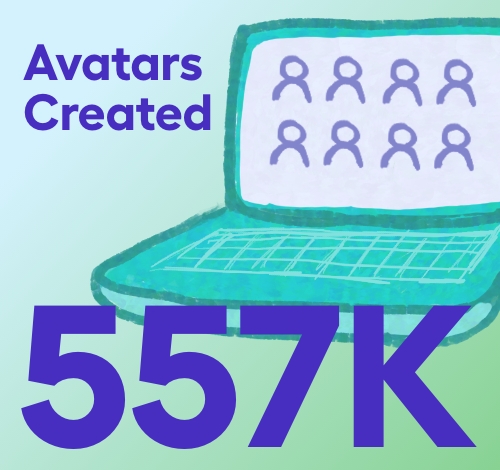
It turns out that kids and adults aren’t that far apart in this respect; Imagine Math has demonstrated as much with its THINK points program. This innovative motivation system inspires students to learn by helping develop problem-solving skills, perseverance, and confidence. As students work through their Imagine Math lessons, they earn THINK points. THINK points are awarded for completing lessons, with additional points awarded for performing well. Students can use their points to design and accessorize their Imagine Math avatar, contribute to classroom goals (pizza party, anyone?), or donate money to students in need.

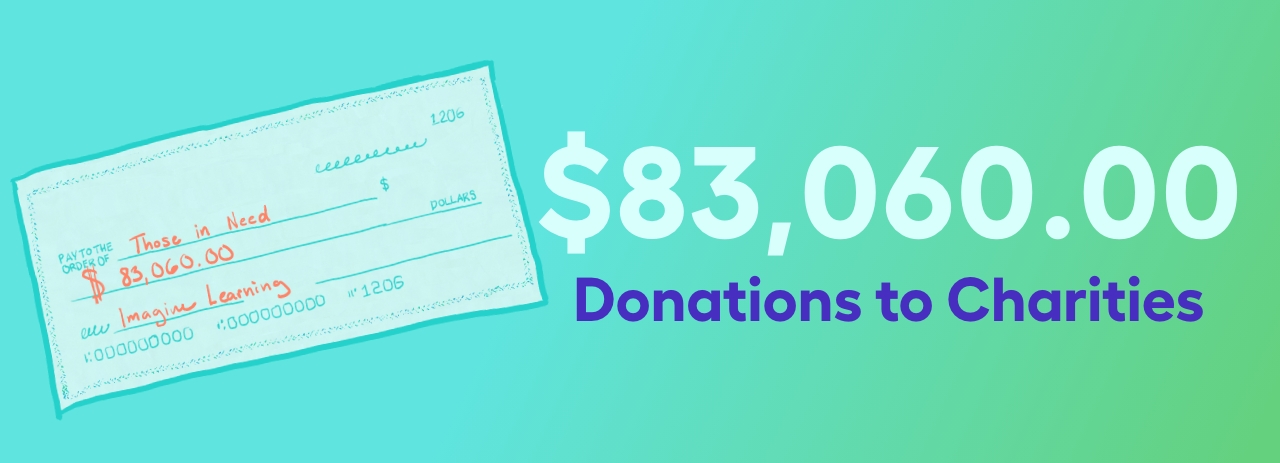
$83,060.00 Donated to Charities

Earn, See, Spend

The points students earn by working through lessons are applied to their total number of points after they have completed the entire lesson, which helps keep them motivated to finish the full lesson before spending their points.

They can view their points on their home screen and the Class Leaders dashboard. Students can see the number of THINK points they’ve earned in the current lesson, the total of the points they’ve earned this year, and the number of points available to spend at the moment (grand total minus points already spent).

557,000 Avatars Created
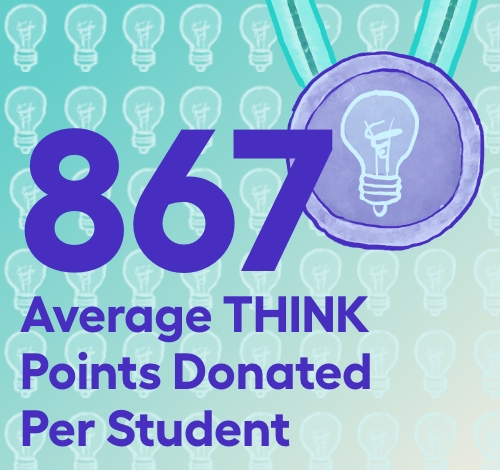
867 Average THINK Points Donated Per Student

The points leaderboard shows a hierarchy of who has earned the most THINK points that week and who has completed the most lessons. It updates every 15 to 30 minutes and resets every Saturday evening, only displaying the number of points each student has earned for the current week. It’s designed to continually motivate students and give each student a fair chance to be at the top for that hour, day, or week.

As a reward and part of what makes Imagine Math so engaging, students get to choose how they’ll spend their hard-earned THINK points. Some like to build out their avatars, expressing themselves with different skins, features, and accessories. Others are motivated to contribute to the teacher-established classroom goal, and an inspiring number of students opt to transfer their points into monetary gifts to charity. The charity calendar changes month to month, exposing students to a variety of opportunities to make a difference in their world.

“I wanted to be the No. 1 on the leaderboard in the state of Texas, so I had to do a lot of lessons – and that’s how I racked up the points. It makes me very proud that I can be of some help to the people in need.”

Yash Anand

Imagine Math student, Vista Hills Elementary

29 Beneficiary Charities

THINKing of Others

Imagine Learning is proud to report that 2021–2022’s students donated to 29 beneficiary charities, choosing to transform their math achievements into an impressive $83,060 for worthy causes! (Cue Whitney Houston because we, too, believe ‘the children are the future.’) It’s an incredible testament to their characters and their efforts to advance their learning, and as a bonus, it gives teachers a morale boost.

Tracy Gonzalez, a 4th-grade math teacher at W.C. Andrews Elementary in the Gregory-Portland ISD, says, “it makes me so happy, and I’m so proud of my students when they enjoy donating their THINK points to charities! They are helping towards a great cause every time they do so!”

The American Red Cross Tornado Relief Fund was one of the partner charities this year. Vista Hills Elementary student Yash Anand was the top donor in the nation, earning a remarkable 1.6 million THINK points to contribute to the fund.

“I wanted to be the No. 1 on the leaderboard in the state of Texas, so I had to do a lot of lessons – and that’s how I racked up the points,” said Anand. “It makes me very proud that I can be of some help to the people in need.”

Find What Drives Them

Students should be celebrated for working hard, whether they’re in it for the avatar, the parties, the competition, or the good karma. Their motivation can be as personal as the learning path they’re on, just as long as they also have a meaningful exploration of (and growth in!) mathematical understanding.

About the Author — Kallie Markle

Kallie Markle lives in Northern California with her family of humans, house plants, and dogs. The humans take up the least amount of space. Before joining the education world, she wrote her way through national parks, concerts, tourism, and brewing.

With lessons like dorm cooking, changing your oil, and saving money while grocery shopping on the syllabus, “Adulting 101” teachers can rest assured that students won’t be asking the ever-frustrating question, “When will I use this in life?” Aimed at teaching life skills like budgeting and maintaining physical fitness after high school, “adulting” classes have recently taken off. Skills such as preparing taxes and learning how insurance works are largely viewed as outside of the academic sphere, but, for that precise reason, young adults are entering the “real” world needing to Google things like “W-2” and “deductible.” While these classes are often hosted at local libraries and attended by recent to not-so-recent high school graduates, a Kentucky high school has proven that there is not only a need but a desire for the class before graduation as well.

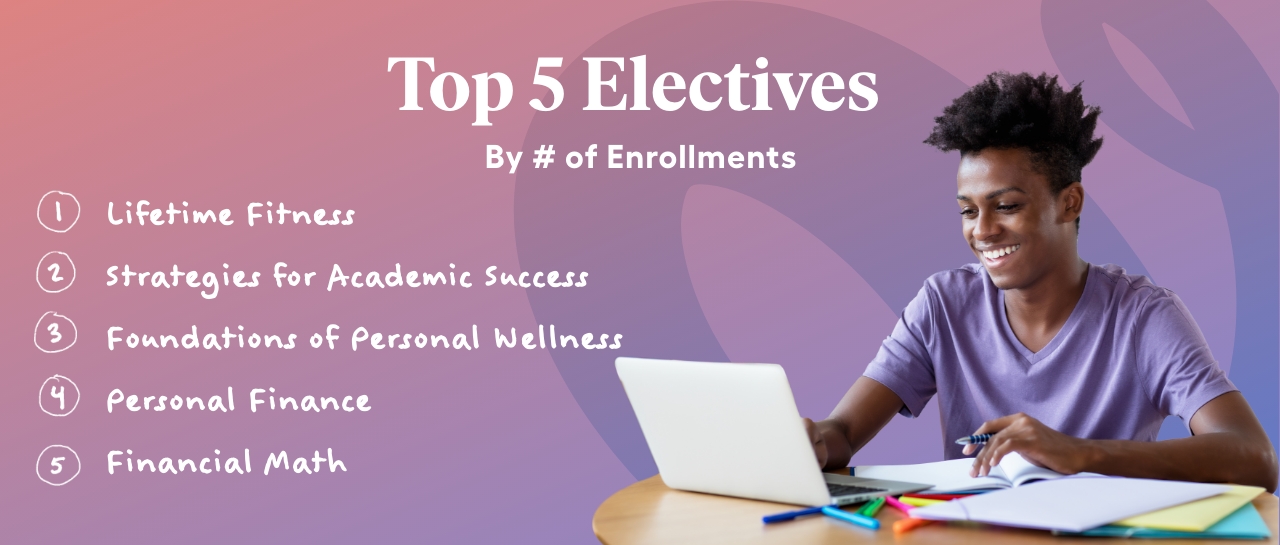
Looking at the highest enrolled Imagine Edgenuity electives for the 2021-22 school year, it is clear that practicality is in demand.

Top  5 Electives by # of enrollment

When given the option, students choose to learn how to take care of themselves – from their physical health to their finances. Depending on post-graduation plans, that calculus class may or may not be vital, but the most popular electives promise skills that everyone will be able to use.

1. Lifetime Fitness

Only 23.2% of adults aged 18 and over met physical activity guidelines in a recent study. After exploring fitness topics such as safe exercise and injury prevention, nutrition and weight management, consumer product evaluation, and stress management, Lifetime Fitness students leave the course equipped with the skills they need for a lifetime of fitness – including an exercise program designed to meet their individual goals.

2. Academic Success

More than 25% of recent high school graduates wished that their high school had prepared them with study skills for college. Students who took the Academic Success course don’t have that same wish. Offering a comprehensive analysis of different types of motivation, study habits, and learning styles, this course encourages high school and middle school students to take control of their learning by exploring varying strategies for success.

3. Personal Finance

“Nearly a third of young adults in a recent study were found to be ‘financially precarious’ because they had poor financial literacy and lacked money management skills and income stability.” Personal Finance students are well on their way to financial literacy after learning more about economics and becoming more confident in setting and researching financial goals. They learn how to open bank accounts, invest money, apply for loans and insurance, explore careers, manage business finances, make decisions about major purchases, and more.

4. Foundation of Personal Wellness

A recent study found that less than 38 percent of adult participants consumed a healthy diet. Largely, this isn’t due to a lack of desire, but a lack of resources and understanding. Upon completing Foundation of Personal Wellness where they explore a combination of health and fitness concepts as well as all aspects of wellness, students are equipped with the knowledge it takes to plan a healthy lifestyle.

5. Financial Math

86% of teens are interested in investing, but 45% say they don’t feel confident in doing so. That interest explains why students were eager to enroll in Financial Math this year. The course features relevant, project-based learning activities covering stimulating topics such as personal financial planning, budgeting and wise spending, banking, paying taxes, the importance of insurance, long-term investing, buying a house, and more.

Skipping the “flashy” or “fun” electives that we might expect them to choose reveals what students really want to learn: practical, life-applicable skills. These selections help students build a foundation of useful knowledge so that, when they get out into the real world, they won’t be registering for their local “Adulting 101” course.

About the Author – Ally Jones

Ally Jones is a California credentialed educator who specialized in teaching English language learners at the secondary level. Outside of education, she is passionate about fitness, literature, and taking care of the planet for her son’s generation.

May 24, 2022 8:00 am

New Study Reveals Significant Increases in Student Performance with Imagine Edgenuity

Middle and High School Students Using Imagine Edgenuity Show Higher Scores and Growth According to New Study

Scottsdale, Ariz., JUNE 7, 2022 – Imagine Learning, the largest provider of digital curriculum solutions in the U.S., serving 15 million students in more than half the school districts nationwide, today announced the results of a new study revealing that students who used Imagine Edgenuity demonstrated significant academic gains on standardized assessments. The study took place in White County Schools (Tenn.) during the 2020-2021 school year.

“Students are thriving through the use of adaptive, personalized learning solutions, and we’re excited to see that Imagine Edgenuity is helping to accelerate learning and ignite breakthroughs,” said Kinsey Rawe, SVP & GM of Courseware & Instructional Services for Imagine Learning. “As we continue to collaborate with districts, the results of these studies show what the future of learning can look like when the power of technology is harnessed to support educators.”

HIGHLIGHTS FROM THE STUDY:

  • In White County Schools, Imagine Edgenuity English Language Arts and Math courses were implemented with students in Grades 7-9 during the 2020-21 school year.
  • Overall, findings from the study show that Imagine Edgenuity students achieved significantly greater gains than their nonparticipating peers on the NWEA MAP Growth Reading and Math tests.
  • Ninth grade Imagine Edgenuity students improved by seven Rasch Unit (RIT) score points on the MAP Growth Reading test while nonparticipating peers declined by four.
  • Eighth grade Imagine Edgenuity students improved by twelve RIT score points on the MAP Growth Math test while nonparticipating peers only improved by two.
  • Sixty-five percent of Imagine Edgenuity users met expected growth on the MAP Growth Reading assessment compared with 42 percent of nonparticipating peers.
  • Sixty-four percent of Imagine Edgenuity users met expected growth on the MAP Growth Math assessment compared with 38 percent of nonparticipating peers.

Imagine Edgenuity is a leading online courseware and virtual school services solution to help students in grades 6-12 meet academic goals and maximize their full potential with dynamic, customizable courses. An extensive suite of high-quality, digital-first core, electives, and honors courses can be completed for initial credit and credit recovery. Designed to adapt to the changing classroom environment, Imagine Edgenuity can be implemented in any in-person, blended, or virtual learning model. In addition, courses are shaped by industry experts, research, and educators, and an effective and engaging instructional model includes a robust set of classroom tools and reporting that is integrated at the point of use. More information is available at imaginelearning.com/edgenuity.

About Imagine Learning

Imagine Learning is a PreK–12 digital learning solutions company that ignites learning breakthroughs by designing forward-thinking solutions at the intersection of people, curricula, and technology to drive student growth. Imagine Learning serves more than 15 million students and partners with more than half the school districts nationwide. Imagine Learning’s flagship products include Imagine Edgenuity®, online courseware and virtual school services solutions; supplemental and intervention solutions for literacy, language, mathematics, robotics, and coding; and high-quality, digital-first core curriculum, including Illustrative Mathematics®, EL Education®, and Odell Education®—all on the Imagine Learning Classroom—and Twig Science®. Read more about Imagine Learning’s digital solutions at imaginelearning.com.
May 24, 2022 8:00 am

New Studies Reveal Significant Increases in Student Performance with Imagine Language & Literacy

Elementary School Students Using Imagine Language & Literacy Show Higher Scores and Proficiency Levels According to Three New Studies

Scottsdale, Ariz., MAY 24, 2022 – Imagine Learning, the largest provider of digital curriculum solutions in the U.S., serving 15 million students in more than half the school districts nationwide, today announced the results of three new studies revealing that students who used Imagine Language & Literacy demonstrated significant academic gains on standardized assessments. The studies took place in schools across Idaho and Florida during the 2018-19 and 2019-20 school years.

“As we continue to collaborate with districts, the results of these studies show what the future of learning can look like when the power of technology is harnessed to support educators,” said Jeff Pendleton, SVP and General Manager of Supplemental and Intervention for Imagine Learning. “Students are thriving through the use of adaptive, personalized learning solutions and we’re excited to see that Imagine Language & Literacy is helping to accelerate learning and ignite breakthroughs.”

HIGHLIGHTS FROM THE STUDIES:

  • English language learners (ELLs) attending 34 elementary schools in a large public school district in Florida used Imagine Language & Literacy during the 2019-20 school year. These students showed significant academic gains as measured by the WIDA ACCESS assessment. Data from the study indicated that forty percent of ELLs increased one or more proficiency levels from February 2019 to February 2020 and 14 percent of students scored Proficient in February 2020, according to Florida’s proficiency metrics.
  • In Bonneville School District in Southeastern Idaho, 213 bilingual students in Grades 1-7 using Imagine Language & Literacy scored significantly higher on the Winter 2020 WIDA ACCESS 2.0 assessment than in Winter 2019. Data from the study indicated that students who passed more lessons in Imagine Language & Literacy had higher scores.
  • In the Snake River School District in Blackfoot, Idaho, findings from the study show that after one year of Imagine Language & Literacy, Grades K-1 students demonstrated significant growth on the Renaissance Star Early Literacy and the Idaho Reading Indicator assessments. Overall, the percentage of Imagine Language & Literacy students meeting the Probable Reader classification (the highest literacy classification) on the Renaissance Star Early Literacy assessment more than doubled—from 21 percent in 2018 to 55 percent in 2019. Imagine Language & Literacy students also demonstrated impressive gains on the Idaho Reading Indicator, with the number of students scoring on grade level increasing significantly from 42 percent in 2018 to 66 percent in 2019.

Imagine Language & Literacy®—a SIIA CODiE Award winner of the “Best Foundation English Language Arts Instructional Solution” in 2021 and recently named finalist for a 2022 SIIA CODiE Award for “Best Solution for English as a Second Language,”—is the only personalized learning program that accelerates both literacy skills and English language development for students in grades PreK-6. Designed to supplement core literacy instruction, Imagine Language & Literacy provides instruction and practice in all four domains of literacy—reading, writing, listening, and speaking. As students explore and practice skills, their individualized learning sequence adjusts dynamically to maximize their engagement and progress, accelerating to match a cognitive leap, or adjusting to accommodate unfinished learning. More information is available at imaginelearning.com/language-and-literacy.

About Imagine Learning

Imagine Learning is a PreK–12 digital learning solutions company that ignites learning breakthroughs by designing forward-thinking solutions at the intersection of people, curricula, and technology to drive student growth. Imagine Learning serves more than 15 million students and partners with more than half the school districts nationwide. Imagine Learning’s flagship products include Imagine Edgenuity®, online courseware and virtual school services solutions; supplemental and intervention solutions for literacy, language, mathematics, robotics, and coding; and high-quality, digital-first core curriculum, including Illustrative Mathematics®, EL Education®, and Odell Education®—all on the Imagine Learning Classroom—and Twig Science®. Read more about Imagine Learning’s digital solutions at imaginelearning.com.
May 16, 2022 12:00 am

Key Components of Authentic Spanish Language Arts Instruction

Imagine Learning created a Cultural Advisory Board of Spanish Language Arts experts to seek feedback for constant improvement in authenticity of content and pedagogy. Here are their suggestions.

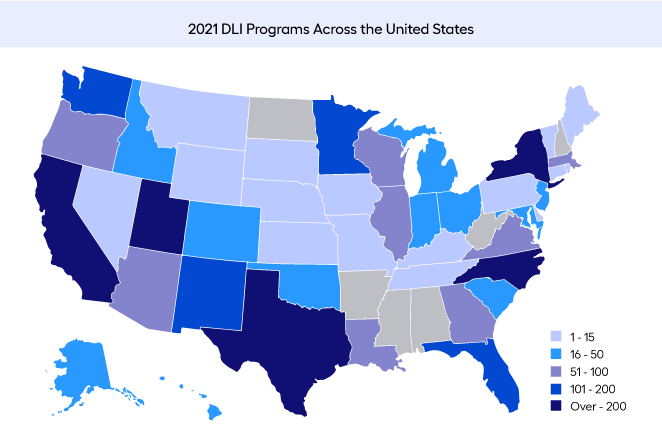
Map of United States showing the 2021 DLI Programs

There is a growing consensus among educators that dual-language programs are essential to student success, especially as we prepare them for a global economy. In fact, there has been substantial growth in dual language programs from 300 in 2001 to 3600 in 2021, an 1100% increase. Additionally, Spanish accounts for 80% of these language immersion programs in the U.S., so there is a massive demand for Spanish Language Arts (SLA) programs. A significant challenge, however, is providing authentic Spanish instruction. Imagine Español draws upon the expertise of a Cultural Advisory Board to understand the key components of an effective SLA program. The board consists of directors of dual language programs, district administrators, instructional coaches, and educators from our customer base. Here’s what we learned:

1. Authentic Spanish content drives student engagement

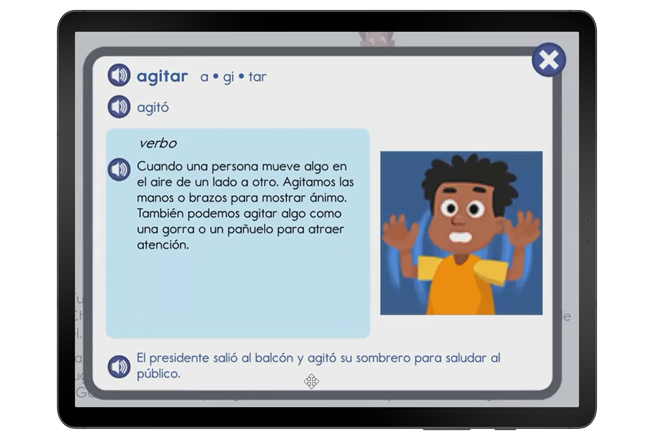
Board members shared that students are less engaged, and it is challenging to maintain their interest when they learn Spanish from trans-adapted rather than authentic content. According to Market Research, “The growing population of such students presents an opportunity to provide them with materials to address their needs. Some educators complain that materials offered for students are simply translations of standard materials, lacking the authenticity of content developed in the language. As schools become more diverse — with some large districts reporting more than 100 different languages spoken —educators say they cannot find resources for some English-language learners.” What teachers are looking for is content that is specifically created to support SLA instruction. This authentic content should provide rich language support through vocabulary practice, independent reading, and assessments while also inspiring cultural appreciation and a love for the Spanish language.

Screenshot from Imagine Español showing the vocabulary word agitar
Group of people watching a street performance

2. Representation in Spanish instruction is key

It’s common for SLA programs to focus primarily on content from Mexico, but providing content that embraces the diversity of Latin American culture promotes inclusivity. “‘If we can make children feel more whole and more ready and more accepted and welcomed and validate their prior knowledge and prior learning experiences, then we’ve gone a long way to making them ready to learn over the course of a lifetime,’ says Tara Fortune, immersion program director at the University of Minnesota’s Center for Advanced Research on Language Acquisition.”

3. Instruction should be standards-aligned

As dual-language program adoption is expanding across schools in the U.S., there is greater demand for standards-aligned SLA education, particularly at the elementary level. Many states have their own SLA-specific standards, such as California. WIDA (World Class Instructional Design and Assessment) is a consortium of states with common SLA standards created in the early 2000s.

Because the creation and expansion of SLA programs and standards across the United States is more recent, there are not many SLA programs to choose from, let alone programs that are aligned with standards. The Center on Standards & Assessment Implementation described the important relationship between standards and curriculum: “Standards indicate what students should know and be able to do within a particular content area, while curriculum shapes how students will gain the knowledge, skills, and abilities as described in the standards.” A standards-aligned curriculum ensures teachers that students will focus on the skills they need, like accents, to be language proficient. SLA standards ask students to not only learn syllable emphasis but also to classify words by types of accents, such as agudas, graves, and esdrújulas, and also to spell words by placing accents correctly.

Laptop showing the Spanish Language Arts program

4. Digital instruction needs to be accessible to all students

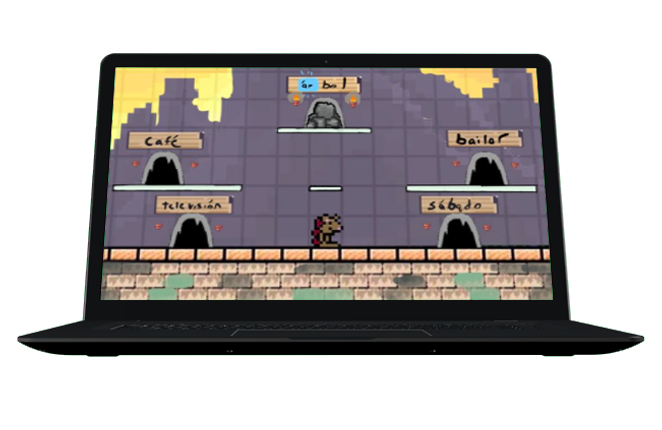
The pandemic has brought to light the need for learning solutions to be accessible to students of all abilities, as well as for students who may be completing work on a smaller device, like a smartphone. Certain functions, like dragging and dropping, can be challenging, so providing multiple ways to respond to questions improves accessibility. Additionally, audio supports that read buttons or features allowed when students hover over them help to ensure all students can successfully complete the activity. This video shows an Imagine Español activity where students can use the different audio and video supports to learn vocabulary in multiple ways.

As dual-language programs become more prevalent, SLA curriculums evolve from their previous supplemental roles to be more front and center. And the experts all agree — to reach students, authenticity is key.

About the Author — Deviki Gupta

Product Marketing Manager, Imagine Español and Imagine Reading

Deviki Gupta is a Product Marketing Manager for Imagine Español and Imagine Reading. She leverages her six-year experience in EdTech and Big Data research to integrate customer insights into the product development and marketing roadmaps for Imagine Learning’s suite of dual-language solutions. Deviki is passionate about making bilingual education inclusive, culturally representative, and accessible for all.

May 5, 2022 8:00 am

Imagine Learning Recognizes Top Schools in 2022 Imagine Nation School of Excellence Awards

Annual Awards Celebrate Innovation, Dedication, and Exemplary Usage of Imagine Learning Digital Solutions

Scottsdale, AZ: May 5, 2022 – Imagine Learning, the largest provider of digital curriculum solutions in the U.S., serving 10 million students in more than half the school districts nationwide, today announced the winners of the 2021-22 Imagine Nation Awards, honoring schools across America for their exceptional use of Imagine Learning solutions.

The Imagine Nation Awards are part of the Imagine Learning motivational program, igniting engagement and strengthening confidence for all learners. More than 21,000 schools throughout the U.S. were eligible for the Imagine Nation School of Excellence Award.

“The most rewarding part of our work is collaborating with educators to create solutions that better empower them and improve student outcomes,” said Sari Factor, Vice Chair and Chief Strategy Officer. “Schools across the country have worked hard to achieve greater learning among their students this year and we’re honored to provide innovative solutions that have helped them accomplish their goals.”

Imagine Learning uses multiple measures, including usage and implementation data, to designate top schools for the Imagine Nation Awards. The Imagine Nation School of Excellence Award is presented to schools that demonstrate outstanding commitment to effective implementation of an Imagine Learning program throughout the year. Based on rigorous research, Imagine Learning has found that meeting program usage and implementation goals is directly associated with increased student success and academic growth. Today, 280 schools are receiving the honor of being named an Imagine Nation school for the 2021-2022 school year.

Following official notification of the Imagine Nation Awards, each winning school will receive an Imagine Learning banner that displays their achievement.

Imagine Nation SCHOOL OF EXCELLENCE AWARDS

2021-2022 Schools of Excellence, Imagine Edgenuity

  • Wilson K-8 School of Amphitheater Public Schools, AZ
  • San Luis High School of Yuma Union High School District, AZ
  • Adult School of Fairfield-Suisun Unified School District, CA
  • Linda Marquez Senior High Huntington Park Institute of Applied Medicine of LAUSD East, CA
  • Canyon Crest Academy of San Dieguito Union High School District, CA
  • Sierra Vista High School of Tulare Joint Union High School District, CA
  • Visalia Charter Independent Study and Online School of Visalia Unified School District, CA
  • Branson School Online of Branson School District RE- 82, CO
  • Doral Academy Preparatory School of Academica, FL
  • Somerset Academy Silver Palms Middle of Academica, FL
  • Devon Aire K-8 Center – BL of Miami-Dade – Blended Learning, FL
  • Jose Marti Mast 6-12 Academy – BL of Miami-Dade – Blended Learning, FL
  • Maritime & Science Technology Academy – BL of Miami-Dade – Blended Learning, FL
  • Medical Academy for Science and Technology (Homestead) – BL of Miami-Dade – Blended Learning, FL
  • Miami Arts Studio 6-12 At Zelda Glazer – BL of Miami-Dade – Blended Learning, FL
  • Miami Senior High School – BL of Miami-Dade – Blended Learning, FL
  • Young Women’s Preparatory Academy – BL of Miami-Dade – Blended Learning, FL
  • Boynton Beach Community High – Blended Learning of The School District of Palm Beach County – Blended Learning, FL
  • Olympic Heights Community High – Blended Learning of The School District of Palm Beach County – Blended Learning, FL
  • Chattahoochee High School of Fulton County School System, GA
  • Olathe Virtual School of Olathe USD 233, KS
  • Powdersville High School Blended of Anderson School District One, SC
  • Cane Ridge High School of Metro Nashville Public Schools, TN
  • KIPP Northeast College Preparatory of KIPP Texas Public Schools, TX
  • Jimmy Carter Early College High School of La Joya ISD, TX
  • The Phoenix Academy of Mansfield ISD, TX
  • Ed White Middle of North East ISD, TX
  • Chavez Excel Academy High School of Northside ISD, TX
  • Staunton River High School (Blended) of Bedford County Public Schools, VA
  • Tacoma Online of Tacoma Public Schools, WA

2021-2022 Schools of Excellence, Imagine Español

  • Harding Elementary of El Centro Elementary School District, CA
  • Mendota Elementary of Mendota Unified School District, CA
  • Burns Latino Studies Academy of Hartford Public Schools, CT
  • Michael D. Fox School of Hartford Public Schools, CT
  • Expeditionary Learning Academy at Moylan of Hartford Public Schools, CT
  • María C. Colón Sánchez Elementary of Hartford Public Schools, CT
  • Rogers Garden-Bullock Elementary of School District of Manatee County, FL
  • Pershing Elementary of Berwyn South School District 100, IL
  • Greenlawn Terrace Elementary of Jefferson Parish Public School System, LA
  • West Buncombe Elementary of Buncombe County Schools, NC
  • Bruce H. Tharrington Primary of Mount Airy City Schools, NC
  • Bear Creek Elementary of Bend-La Pine Schools, OR
  • Kocurek Elementary of Austin ISD, TX
  • Sims Elementary of Austin ISD, TX
  • Oppe Elementary Magnet Campus of Coastal Studies of Galveston ISD, TX
  • Collier Elementary of Harlandale ISD, TX
  • Trimmier Elementary of Killeen ISD, TX
  • Mahaffey Elementary of Klein ISD, TX
  • Lawson Early Childhood Center of McKinney ISD, TX
  • DeZavala Elementary of Midland ISD, TX
  • Milam Elementary of Midland ISD, TX
  • Burke Elementary of Northside ISD, TX
  • Howsman Elementary of Northside ISD, TX
  • Davis Elementary of Royse City ISD, TX
  • Beethoven Elementary of Vanguard Academy, TX
  • Zundy Elementary of Wichita Falls ISD, TX

2021-2022 Schools of Excellence, Imagine Language & Literacy

  • Mary Welty Elementary of Nogales Unified School District, AZ
  • Abraham Lincoln Middle of Selma Unified School District, CA
  • Burney Elementary of Hillsborough County Public Schools, FL
  • Citrus Park Elementary of Hillsborough County Public Schools, FL
  • Folsom Elementary of Hillsborough County Public Schools, FL
  • Temple Terrace Elementary of Hillsborough County Public Schools, FL
  • Pleasant Hill Elementary of School District of Osceola County, FL
  • Grove Park Elementary of The School District of Palm Beach County, FL
  • Lake Park Elementary of The School District of Palm Beach County, FL
  • Lantana Elementary of The School District of Palm Beach County, FL
  • Harper Elementary of Clayton County Public Schools, GA
  • Northcutt Elementary of Clayton County Public Schools, GA
  • Murdock Elementary of Cobb County School District, GA
  • Cox Elementary of Colquitt County Schools, GA
  • Clear Creek Middle of Gilmer County Schools, GA
  • Wilson Middle of Moline-Coal Valley School District No. 40, IL
  • Brookside School 54 of Indianapolis Public Schools, IN
  • Earl Watson Jr Early Childhood Center of Kansas City, Kansas Public Schools, KS
  • Madeline M Breckinridge Elementary of Fayette County Public Schools, KY
  • Moss Hill Elementary of Lenoir County Public Schools, NC
  • Liberty Elementary of Broken Arrow Public Schools, OK
  • Lincoln Elementary of Ponca City Public Schools, OK
  • Tschetter Colony School of Freeman Public School District 33-1, SD
  • Longlake Colony Elementary of Leola 44-2, SD
  • Springfield Middle of Robertson County Schools, TN
  • IDEA Los Encinos Middle of IDEA Public Schools, TX
  • IDEA University Prep Middle of IDEA Public Schools, TX
  • KIPP Unity Primary of KIPP Public Schools, TX
  • Progreso Elementary of Progreso ISD, TX
  • Parkway Intermediate School of Ephrata School District 165, WA

2021-2022 Districts of Excellence, Imagine Learning EL Education

  • DeSoto Parish School Board, LA
  • Detroit Public Schools Community District, MI
  • Jackson R-2 School District, MO
  • Cincinnati Public Schools, OH
  • Cleveland Metropolitan School District, OH
  • Richard Allen Schools, OH
  • Lenoir City Schools, TN
  • McMinn County Schools, TN
  • Sequatchie County Schools, TN

2021-2022 Schools/Districts of Excellence, Imagine Learning Illustrative Mathematics (Formerly LearnZillion)

  • Greeley Evans School District 6, CO
  • Red Clay Consolidated School District, DE
  • Smyrna School District, DE
  • Laurel School District, DE
  • Bettendorf Community School District, IA
  • Community Consolidated School District 59, IL
  • Kankakee School District 111, IL
  • Ottawa Unified School District 290, KS
  • Jefferson County Public Schools, KY
  • Ipswich Public Schools, MA
  • Dorchester County Public Schools, MD
  • Montgomery County Public Schools, MD
  • Washington County Public Schools, MD
  • Portland Public Schools, ME
  • Harmony Learning Center of North St Paul-Maplewood-Oakdale ISD 622, MN
  • North High School of North St Paul-Maplewood-Oakdale ISD 622, MN
  • Tartan High School of North St Paul-Maplewood-Oakdale ISD 622, MN
  • Therapeutic Education Collective of North St Paul-Maplewood-Oakdale ISD 622, MN
  • North St Paul-Maplewood-Oakdale ISD 622, MN
  • Springfield Public Schools, MO
  • Bainbridge Island School District, WA
  • Kelso School District, WA

2021-2022 Schools of Excellence, Imagine Lectura

  • Mary Belle McCorkle Academy of Excellence K-8 of Tucson Unified School District, AZ
  • Truman School of New Haven Public Schools, CT
  • Denison Elementary of Denison Community School District, IA
  • Steuben Elementary of Kankakee School District 111, IL
  • Melrose Park Elementary of Maywood Melrose Park School District 89, IL
  • River Woods Elementary of Naperville Community Unit School District 203, IL
  • Lincoln Elementary of New Brunswick Public Schools, NJ
  • Lord Stirling Community School of New Brunswick Public Schools, NJ
  • Overton Elementary of Austin ISD, TX
  • Love Elementary of Houston ISD, TX

2021-2022 Schools of Excellence, Imagine Math 3+

  • Coronado Elementary of Nogales Unified School District, AZ
  • Hollywood Academy of Arts and Science-Elementary of Charter Schools USA, FL
  • Renaissance Elementary Charter of Charter Schools USA, FL
  • Renaissance Charter School at West Palm Beach of Charter Schools USA, FL
  • Winthrop Charter of Charter Schools USA, FL
  • Woodland Hills Elementary of Bonneville Joint School District No. 93, ID
  • Robert Healy Elementary of Chicago Network 6, IL
  • Bayou Boeuf Elementary of Lafourche Parish School District, LA
  • Sanborn Elementary of Alpena Public Schools, MI
  • School Three of Clifton Public Schools, NJ
  • Old Union Elementary of Carroll ISD, TX
  • Blanton Elementary of Denton ISD, TX
  • Sally E. Moore College & Career Preparatory of Grand Prairie ISD, TX
  • Hereford Preparatory Academy of Hereford ISD, TX
  • KIPP CONNECT Houston Primary of KIPP Texas Public Schools, TX
  • Rusk Elementary of Midland ISD, TX
  • Cole Elementary of Northside ISD, TX
  • Fisher Elementary of Northside ISD, TX
  • Lakeview Elementary of Northwest ISD, TX
  • Sheppard Elementary of Wichita Falls ISD, TX
  • Pioneer Valley Elementary of Bethel School District 403, WA
  • Buffalo Elementary of Logan County School District, WV

2021-2022 Schools of Excellence, Imagine Math Facts

  • Carolyn Lewis Elementary of Conway Public Schools, AR
  • C. Wright Elementary of Wilkes County Schools, NC
  • Academy C School of Guymon Public School, OK
  • Evergreen Elementary of Three Rivers School District, OR
  • Nescopeck Elementary of Berwick Area School District, PA
  • Hollywood Elementary of Saluda County School District, SC
  • Saluda Primary of Saluda County School District, SC
  • Hutchins Elementary of El Campo ISD, TX
  • Highland School of Highland ISD, TX
  • Sunnyside Elementary of Marysville School District 25, WA

2021-2022 Schools of Excellence, Imagine Math PreK-2

  • Jones Valley Elementary of Huntsville City Schools, AL
  • Renaissance Elementary Charter of Charter Schools USA, FL
  • Rivers Elementary of Atlanta Public Schools, GA
  • Center For Inquiry School 70 of Indianapolis Public Schools, IN
  • Center For Inquiry School 84 of Indianapolis Public Schools, IN
  • George W. Julian School 57 of Indianapolis Public Schools, IN
  • Central Elementary of Yukon School District I-27, OK
  • Surrey Hills Elementary of Yukon School District I-27, OK
  • Cumberland Valley Virtual Elementary of Cumberland Valley School District, PA
  • McNair Elementary of Denton ISD, TX
  • Paloma Creek Elementary of Denton ISD, TX
  • Julian S. Adame Elementary of Donna ISD, TX
  • Walnut Glen Academy for Excellence of Garland ISD, TX
  • Wilmeth Elementary of McKinney ISD, TX
  • Parker Elementary of Midland ISD, TX
  • Pease Communication & Technology of Midland ISD, TX
  • Santa Rita Elementary of Midland ISD, TX
  • Dudley Elementary of Victoria ISD, TX
  • Bridge Elementary of Bridge Elementary Charter, UT
  • Utah Connections Academy of Connections Academy Corporation, UT

2021-2022 Schools of Excellence, Imagine MyPath

  • Fulton Academy of Science and Technology of Fulton County School System, GA
  • Hawthorn Elementary of Park Hill School District, MO
  • Excelsior Classical Academy, NC
  • Warsaw Elementary of Duplin County Schools, NC
  • North Park Elementary of Broken Bow Public Schools, NE
  • Cody Elementary of North Platte Public Schools, NE
  • Eisenhower Elementary of North Platte Public Schools, NE
  • Lake Maloney Elementary of North Platte Public Schools, NE
  • Seward Elementary of Seward Public Schools, NE
  • The Renaissance Charter School 2 of Renaissance Charter Schools, NY
  • Cincinnati Technology Academy of Cincinnati Technology Academy, OH
  • Brinkley Heights Urban Academy of Brinkley Heights Urban Academy, TN
  • Clyde Elementary of Clyde CISD, TX
  • Dalhart Elementary of Dalhart ISD, TX
  • Mitchell Boulevard Elementary of Fort Worth ISD, TX

2021-2022 Districts of Excellence, Imagine Odysseyware

  • IDEA – iGrad – Site, AK
  • East Grand School District, CO
  • Belmond-Klemme Community School District, IA
  • New Horizons Learning Center, IN
  • Maize Unified School District #266, KS
  • Madison County Schools, MS
  • Dundee Central School District, NY
  • Meade School District 46-1, SD
  • Marble Falls ISD, TX
  • Monahans-Wickett-Pyote ISD, TX
  • Oak Creek-Franklin Joint School District, WI
  • School District of South Milwaukee, WI

2021-2022 Schools of Excellence, Imagine Pathblazer

  • Don Tyson School of Innovation of Springdale School District 50, AR
  • St Odilia School of Archdiocese Los Angeles Education Office, CA
  • Tracy Independent Study Charter of Tracy Unified School District, CA
  • Icon Preparatory School – Tampa of Icon Preparatory School, FL
  • Hartridge Academy of Polk County Public Schools, FL
  • Model Elementary of Floyd County Schools, GA
  • North Magoffin Elementary of Magoffin County Schools, KY
  • Taylor County Primary of Taylor County School District, KY
  • Campton Elementary of Wolfe County Schools, KY
  • Allenbrook Elementary of Charlotte-Mecklenburg Schools, NC
  • Our Lady Queen of Martyrs Elementary of Archdiocese of New York Catholic Schools, NY
  • Creekside Middle of Fairfield City School District, OH
  • Urbana Elementary of Urbana City Schools, OH
  • State Street Elementary Center of Wyoming Valley West School District, PA
  • Harmony Educational Services- Subs of Harmony Educational Services, UT
  • Blue Peak Online of Tooele County School District, UT

2021-2022 Schools of Excellence, Imagine Reading

  • Baggett Elementary of Gwinnett County Public Schools, GA
  • Black Canyon Middle of Bonneville Joint School District No. 93, ID
  • Centennial High School of West Ada School District, ID
  • Paul Barnhart Elementary of Charles County Public Schools, MD
  • Gulfport High School of Gulfport School District, MS
  • Public Schools of Robeson County, NC
  • Mesa View Middle of Farmington Municipal Schools, NM
  • Jay Middle School of Jay Public Schools, OK
  • Creek Elementary of Muskogee Public Schools, OK
  • Northeast Middle of Clarksville-Montgomery County School System, TN
  • Langford Elementary of Austin ISD, TX
  • IDEA Los Encinos Middle of IDEA Public Schools, TX
  • IDEA Walzem Middle of IDEA Public Schools, TX
  • West Orange-Stark Middle of West Orange-Cove Consolidated ISD, TX
  • Ibapah School of Tooele County School District, UT
  • Washington Elementary of Washington County School District, UT
  • Midway Elementary of Dinwiddie County Public Schools, VA
  • Hilltop Elementary of Edmonds School District, WA
  • Spruce Elementary of Edmonds School District, WA
  • McClure Elementary of Grandview School District 200, WA

2021-2022 Schools of Excellence, Legacy MyPath

  • Bakersfield Adult School of Kern High School District, CA
  • Independent Study Program of Red Bluff Joint Union High School District, CA
  • Central Middle of Nederland ISD, TX

2021-2022 Schools of Excellence, Purpose Prep K-5

  • Southgate Academy of Southgate Academy Charter School District, AZ
  • Excelsior Classical Academy, NC
  • Memphis College Prep of Memphis-Shelby County Schools, TN
  • Boyd Elementary of Boyd ISD, TX
  • Upshur County Shared Service Arrangement of Upshur County Shared Service Arrangement, TX

2021-2022 Schools of Excellence, Purpose Prep 6-12

  • Brindlee Mountain High School (Tutor) – Blended of Marshall County School District – Blended, AL
  • Douglas Middle School (Tutor) – Blended of Marshall County School District – Blended, AL
  • Academy For International Education Charter of Academy for International Education Charter School, FL
  • Ruth Rains Middle of Dixie County School District, FL
  • West Glades School of Glades County School District, FL
  • Graceville School of Jackson County School Board, FL
  • Grand Ridge School of Jackson County School Board, FL
  • Malone School of Jackson County School Board, FL
  • Lafayette High School 6-12 of Lafayette County School District, FL
  • Lawton Chiles Middle School – BL of Miami-Dade – Blended Learning, FL
  • Coral Shores High School of Monroe County School District, FL
  • Horace Obryant Middle of Monroe County School District, FL
  • Key Largo School of Monroe County School District, FL
  • Key West High School of Monroe County School District, FL
  • Marathon Middle High School of Monroe County School District, FL
  • Plantation Key Elementary of Monroe County School District, FL
  • Sugarloaf School of Monroe County School District, FL
  • Round Lake Charter of Round Lake Charter, FL
  • Coastal Plains Charter High School – Bulloch of Coastal Plains Education Charter High School, GA
  • Coastal Plains Charter High School – Camden of Coastal Plains Education Charter High School, GA
  • Coastal Plains Charter High School – Lowndes of Coastal Plains Education Charter High School, GA
  • Coastal Plains Charter High School – Wayne of Coastal Plains Education Charter High School, GA
  • Winfield High School of Winfield Unified School District 465, KS
  • Hernando High School of Desoto County Schools, MS
  • Southhaven Middle of Desoto County Schools, MS
  • Winters Junior High and High School of Winters ISD, TX

About Imagine Learning

Imagine Learning is a PreK–12 digital learning solutions company that ignites learning breakthroughs by designing forward-thinking solutions at the intersection of people, curricula, and technology to drive student growth. Imagine Learning serves more than 10 million students and partners with more than half the school districts nationwide. Imagine Learning’s flagship products include Imagine Edgenuity®, online courseware and virtual school services solutions; supplemental and intervention solutions for literacy, language, mathematics, robotics, and coding; and high-quality, digital-first core curriculum, including Illustrative Mathematics®, EL Education®, and Odell Education®—all on the Imagine Learning Classroom—and Twig Science®. Read more about Imagine Learning’s digital solutions at imaginelearning.com.