Shape the Future of Education and Maximize Your Students’ Potential
Join a national study and see how Imagine MyPath® develops strong, confident readers.

What Is Imagine MyPath?
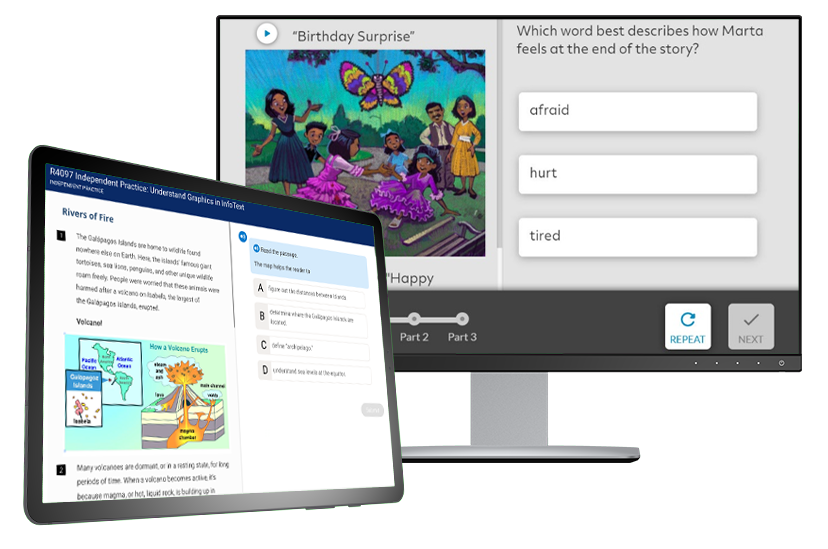
Imagine MyPath gives every K–12 student a pathway to grade-level success with a personalized and adaptive reading program. It uses prioritization and adaptivity to address gaps only in skills essential to the student’s grade-level work and beyond. The program provides accessible, explicit, and scaffolded instruction to ensure the success of academically diverse learners.
Why Partner with Imagine Learning for This Research
Imagine Learning is inviting school districts to take part in a research study evaluating the impact of Imagine MyPath on student reading achievement. The findings will help your district — and schools nationwide — make data-driven decisions that improve student outcomes. As a research partner, your district will receive:

Access to Imagine MyPath
Half of participating classrooms will be selected to implement Imagine MyPath for reading. The remaining half will continue with business-as-usual practices.

Meaningful data to drive change
Receive detailed reports comparing outcomes for Imagine MyPath and non-Imagine MyPath students, giving your team powerful evidence to guide future instructional decisions.

A national impact
Contribute to research with the potential to transform education nationwide and support best practices in intervention.
Why Comparative Research Matters
Comparative studies — those that include both participating and non-participating groups — provide the most reliable evidence of a program’s effectiveness. This approach ensures that results are valid, meaningful, and can drive lasting improvements in education. Key benefits of this research design include:
Fair and reliable results
Including a comparison group allows researchers to accurately measure Imagine MyPath’s impact, ensuring findings are scientifically sound and reflective of student growth.
Opportunity for future program expansion
Imagine MyPath access may be expanded to additional students after the study concludes, allowing your district to implement the program with greater experience and confidence.
Continued support for all students
Even students who do not receive Imagine MyPath during the study will continue to benefit from their school’s existing high-quality instruction and supports.
Is Your District a Good Fit?

Districts that are a strong fit for this research study typically:
- Serve medium-to-large student populations across multiple schools or grade levels
- Can consistently implement Imagine MyPath according to recommended practices
- Administer standardized reading assessments at least three times during the school year (fall, winter, and spring)