If you’ve been in a staff meeting recently, screen time has probably come up.
Teachers and administrators are grappling with whether classroom devices are helping students focus or pulling them away. In one lesson, technology might support a quick check for understanding before a discussion. In another, it’s a room full of open tabs and drifting attention.
Not all screen time looks the same. There’s a difference between social media outside of school, passive consumption during class, tools designed around engagement alone, and tools that actually support learning. These gaps often get overlooked.
The focus is primarily on what happens during the school day, even though students are spending far more time on screens outside the classroom, usually in ways that have little to do with learning.
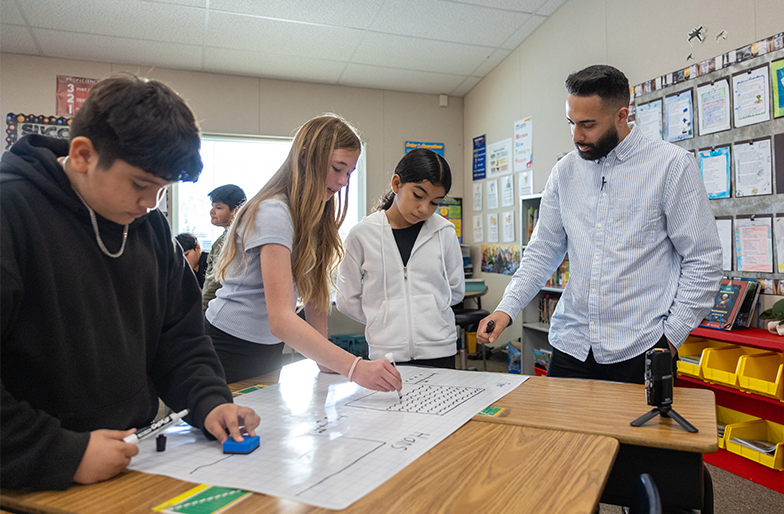
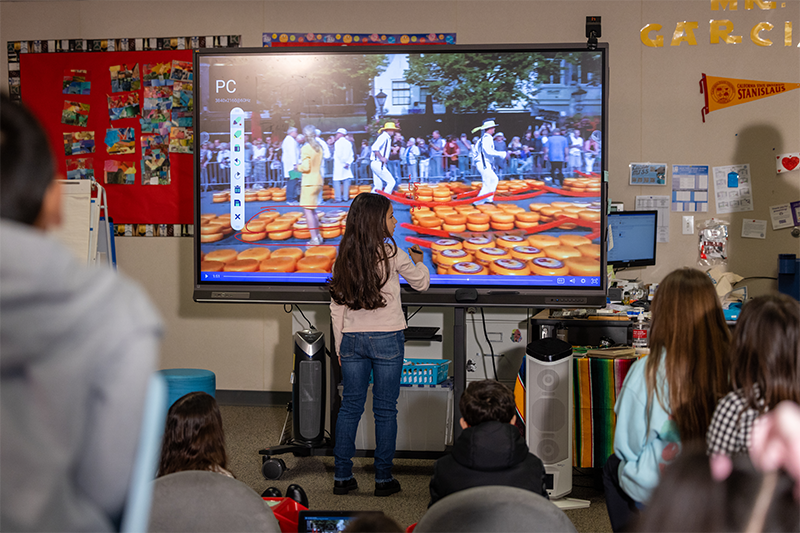
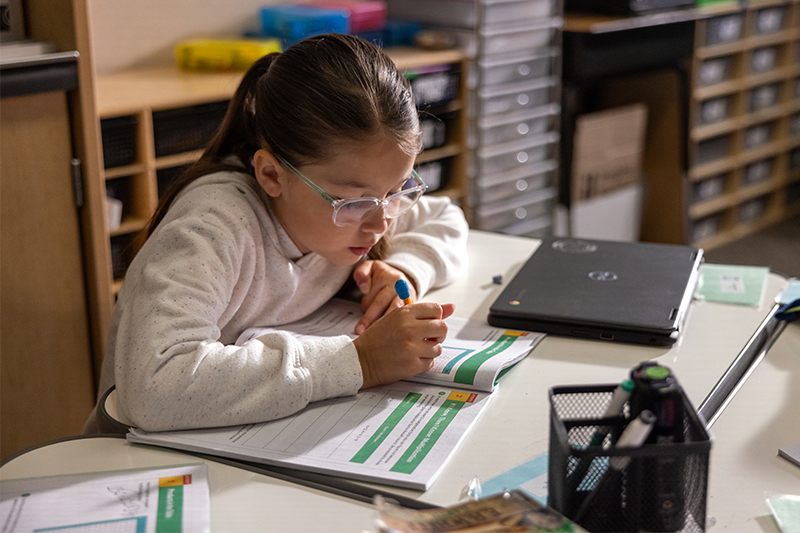
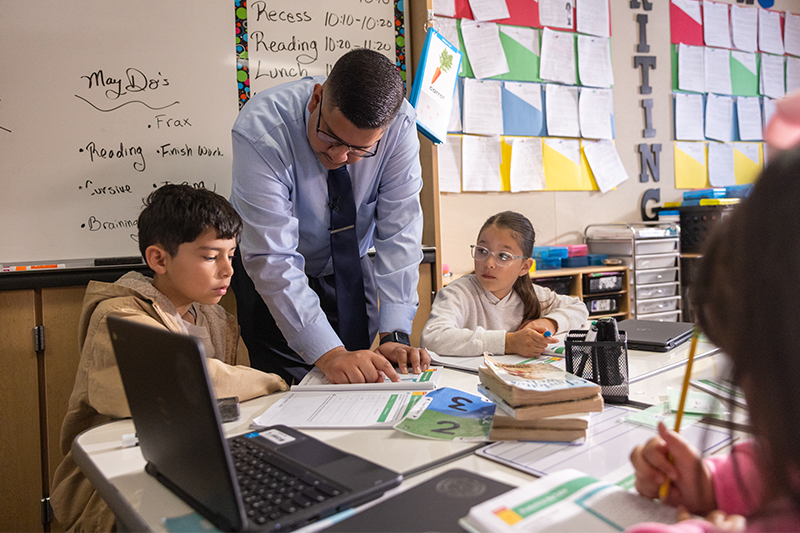
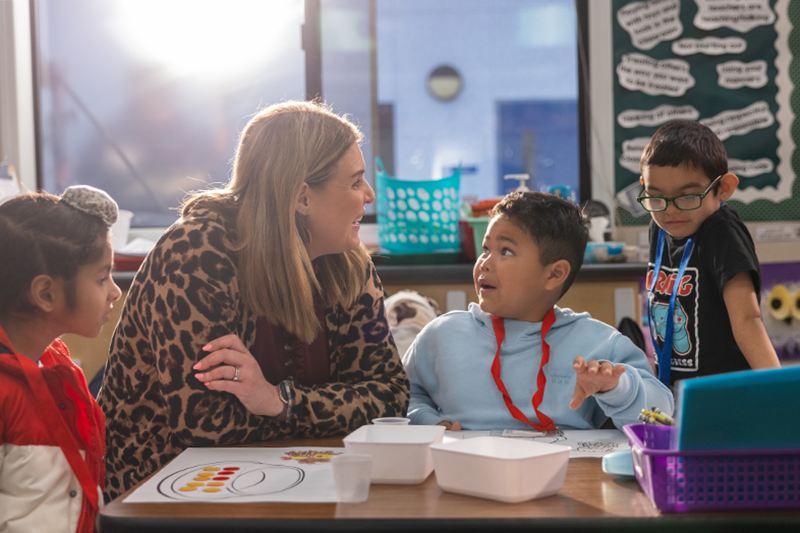
All photos are from real Imagine IM® classrooms
That broader context is part of why the conversation keeps coming up in different ways, but it usually lands in the same place: teachers want tech that actually helps, even as they’re being asked to reduce screen time.
When large districts like Los Angeles Unified start changing policies, it tends to bring those same questions into staff rooms everywhere. But rather than moving away from technology entirely, schools are being more selective about what stays in the lesson. Time is tight, and if something is on a screen, it needs to earn its place.
What’s actually being asked
At a high level, the debate can sound familiar: not all screen time is the same, and not all tech tools are created equal. But in practice, those differences are often blurred.
In classrooms, though, the distinction is more immediate. Some tools help a teacher reach a student who’s stuck or falling behind. Others keep students occupied but don’t move learning forward, even if they look engaging on the surface. You can see the difference in how students respond: whether they’re thinking, trying again, asking better questions, or simply clicking through.
That’s why the conversation is shifting. Schools are being asked to reduce ineffective screen time while still making room for tools that support instruction in meaningful ways. Part of the challenge is that not all technology brought into classrooms was designed with instruction at the center. In some cases, tools were adopted quickly, without a clear role in the day-to-day learning process.
What hasn’t changed is the importance of strong instruction, high-quality curriculum, and the role educators play in guiding learning every day. When technology works as intended, it fits into that system. When it doesn’t, it competes with it.
So the question isn’t “does technology have a place in the classroom?” It’s “what actually helps, and how does it support teachers in making crucial decisions in real time?”
For us, that comes down to a few things: technology should be purposeful, grounded in high-quality curriculum, and integrated into instruction in a way that supports what teachers are already doing.
What this looks like in practice
Most educators don’t need convincing because they’ve seen both sides of tech firsthand.
They’ve had lessons where a digital tool empowered a student, and others where it fell flat. They’ve seen moments when technology helped a student stay engaged and keep trying, and moments when it became a distraction that stalled the learning process.
That’s why this conversation is about being deliberate, rather than using more or less technology.
In practice, that often means moving between digital and offline work. A teacher might use a digital activity to check understanding, then move into discussion, written work, or small-group instruction. The learning doesn’t stay on the screen, and it isn’t meant to.
What matters is how the pieces work together to support the lesson.
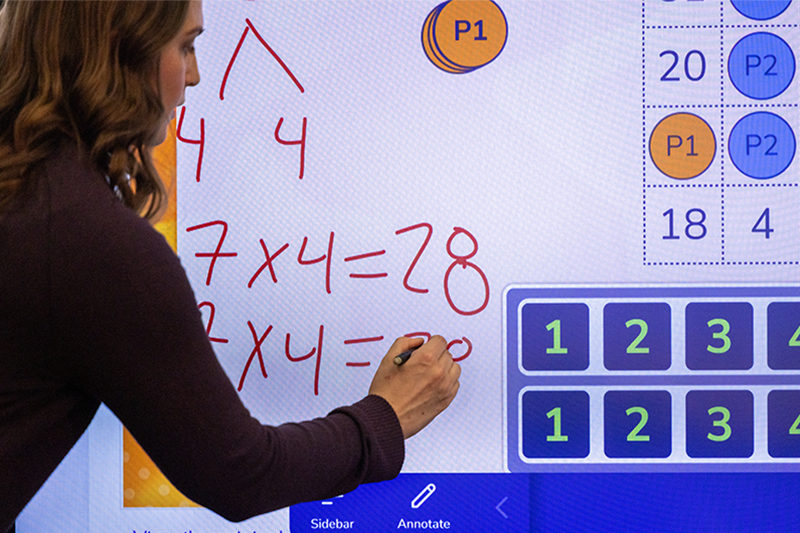
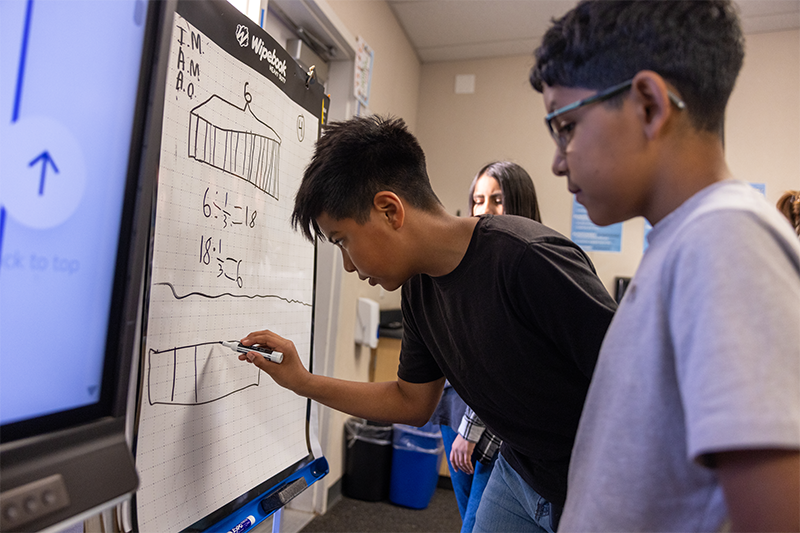
That can (and should) also look different depending on the grade level. In earlier grades, it makes sense to use technology sparingly, focused on building a foundation for durable skills. This will scale up throughout upper elementary and middle school to heavier use in high school, understanding that the closer students get to college or career, the more their command over intentional AI use, virtual collaboration, and analysis of digital sources becomes critical.